
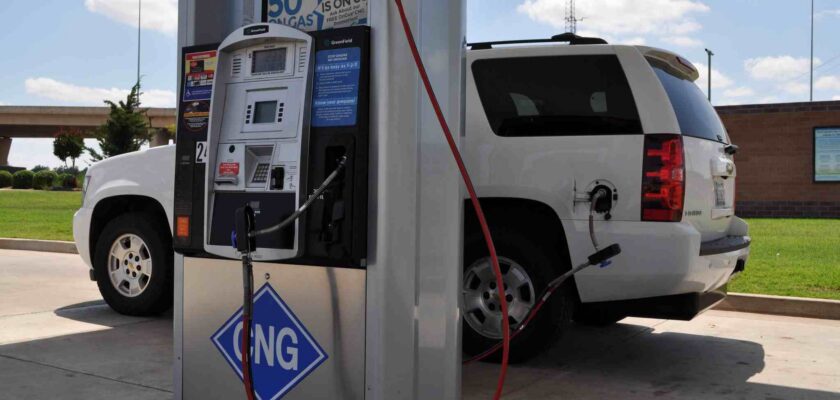
CNG Future in India 2026: Is It Still the Best Alternative to Petrol?
For years, CNG was seen as the “budget fuel” for taxis and small family cars. However, by 2026, the narrative has shifted. With petrol prices remaining volatile and Electric Vehicles (EVs) still facing charging infrastructure challenges, CNG has emerged as a powerful middle ground.
If you are wondering about the CNG future in India, here is a look at the trends, technology, and government policies shaping the next decade.
1. The Rise of “Premium” CNG Cars
Gone are the days when buying a CNG car meant sacrificing boot space or features.
- Twin Cylinder Tech: Brands like Tata Motors have revolutionized the market with twin-cylinder technology, allowing users to have a CNG kit without losing their entire trunk space.
- Feature-Rich Trims: In 2026, you can find CNG in top-end variants with sunroofs, ventilated seats, and 360-degree cameras. This has made CNG attractive to premium buyers, not just budget-conscious commuters.
2. Government’s Focus on Gas-Based Economy
The Indian government is targeting to increase the share of natural gas in the energy mix from 6% to 15% by 2030.
- Infrastructure Expansion: Over 10,000 CNG stations are expected to be operational across India by the end of 2026, making long-distance travel on gas much easier.
- Stable Pricing: The new Kirit Parikh committee-based pricing formula has helped decouple Indian CNG prices from global spikes, providing more stability for the end-user.
3. The Bio-CNG Revolution (CBG)
The real “green” part of the CNG future in India lies in Compressed Biogas (CBG).
- Waste to Wealth: India is setting up hundreds of Bio-CNG plants that convert agricultural waste and cow dung into fuel.
- Carbon Neutrality: Unlike fossil-based CNG, Bio-CNG is carbon-neutral. This allows India to reduce its crude oil imports while supporting the “Net Zero” goal.
4. CNG vs. EV: The 2026 Battle
While EVs are growing, they still face hurdles like high initial costs and slow charging.
- Cost Advantage: A CNG car is still ₹2-3 lakh cheaper than its EV equivalent.
- Range Anxiety: Refilling a CNG tank takes 5 minutes, whereas an EV takes at least 45 minutes for a fast charge.
- Fuel Cost: While EV running costs are lower, CNG remains 40-50% cheaper than petrol, making it the most viable “immediate” solution for high-mileage drivers.
Quick Comparison: Fuel Economics in 2026
| Fuel Type | Initial Car Cost | Running Cost (Avg) | Refilling Time |
| Petrol | Moderate | ₹8 – ₹10 / km | 3 Minutes |
| CNG | Moderate (+₹90k) | ₹3 – ₹4 / km | 5-10 Minutes |
| EV | High | ₹1 – ₹1.5 / km | 45+ Minutes |
5. Challenges to the CNG Future
Despite the optimism, two main challenges remain:
- Waiting Times: In major cities like Delhi and Mumbai, long queues at CNG stations are still a deterrent for many.
- Performance Gap: Even with turbo-CNG engines, gas-powered cars generally offer slightly less “punch” than pure petrol engines.
Conclusion
The CNG future in India looks brighter than ever in 2026. It serves as a critical bridge between fossil fuels and total electrification. With better tank packaging, increasing station density, and the push for Bio-CNG, it remains the most practical choice for the Indian middle class looking to save money without compromising on convenience.
Are you planning to buy a CNG car in 2026, or are you waiting for EVs to get cheaper? Let’s discuss in the comments!


