


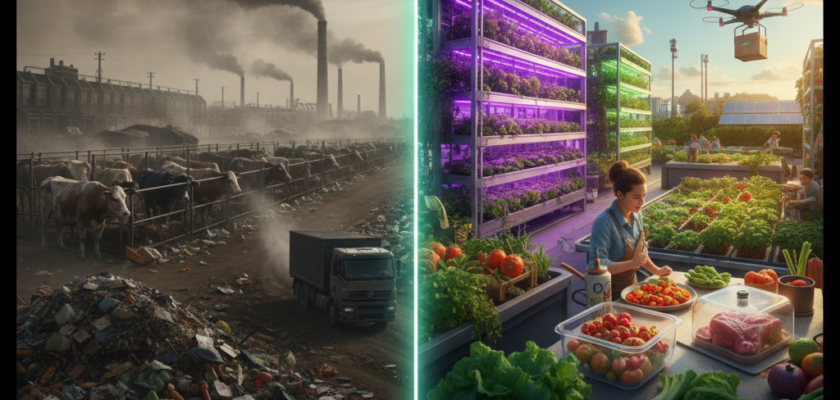
The Future of Food: Why Sustainable Eating is More Than Just a Trend
The way we eat is undergoing a profound transformation. What was once considered a niche lifestyle choice, sustainable eating has rapidly evolved from a mere trend to an urgent global necessity in 2026. With increasing awareness about climate change, resource depletion, and the health impacts of industrial food systems, our dietary choices are now seen as a powerful lever for a healthier planet and a more secure future.
This isn’t just about what’s on your plate; it’s about understanding the entire journey of your food, from farm to fork, and its impact on the world.
1. Environmental Imperative: Reducing Our Carbon Foodprint
The production of food is a major contributor to greenhouse gas emissions, deforestation, and water pollution.
- Livestock Impact: Industrial meat production, especially beef and dairy, is a significant source of methane, a potent greenhouse gas.
- Food Miles: Transporting food globally consumes massive amounts of fossil fuels. Sustainable eating encourages local sourcing.
- Resource Depletion: Conventional agriculture often depletes soil health and requires vast amounts of water and pesticides.
- The Shift: Opting for more plant-based meals, reducing food waste, and choosing locally grown, seasonal produce significantly lowers your environmental footprint.
2. Health & Wellness: Eating for Longevity and Vitality
There’s a strong correlation between sustainable food choices and better health outcomes.
- Plant-Forward Diets: Diets rich in fruits, vegetables, legumes, and whole grains (often associated with sustainable eating) are linked to lower risks of heart disease, diabetes, and certain cancers.
- Reduced Chemicals: Choosing organic or sustainably grown food often means fewer pesticides, antibiotics, and artificial additives in your diet.
- Mindful Consumption: Sustainable eating encourages a more mindful approach to food, leading to a deeper appreciation for ingredients and a healthier relationship with what we consume.
3. Food Security for a Growing Population
By 2050, the global population is projected to reach nearly 10 billion. Our current food systems are struggling to feed everyone sustainably.
- Resource Strain: Producing enough food for everyone using current intensive farming methods puts immense strain on land, water, and energy resources.
- Equitable Distribution: Sustainable practices often involve supporting local farmers and fairer supply chains, which can help ensure more equitable access to food globally.
- Innovation: Sustainable eating also drives innovation in alternative proteins (e.g., lab-grown meat, insect protein), vertical farming, and efficient aquaculture, all crucial for future food security.
4. Ethical Considerations: Animal Welfare and Labor Practices
Sustainable eating extends beyond environmental concerns to ethical treatment.
- Animal Welfare: Many consumers are increasingly concerned about the conditions of animals in factory farms. Plant-based and ethically sourced animal products address these concerns.
- Fair Labor: Sustainable food systems often prioritize fair wages and safe working conditions for agricultural workers, ensuring that the food we eat doesn’t come at the cost of human exploitation.
5. Economic Viability: Supporting Local and Regenerative Agriculture
Sustainable eating can also foster local economies and promote resilient food systems.
- Local Economies: Buying local supports farmers in your community, keeping money within the local economy and reducing transport emissions.
- Regenerative Agriculture: This practice focuses on improving soil health, biodiversity, and water quality, creating more resilient farms that can better withstand climate shocks and produce healthier food.
Sustainable Eating: A 2026 Checklist
| Action | Impact |
| Eat More Plants | Lower carbon footprint, better health |
| Reduce Food Waste | Saves resources, reduces emissions |
| Buy Local & Seasonal | Supports local economy, less food miles |
| Choose Ethical Sources | Better animal welfare, fair labor |
| Limit Processed Foods | Better health, less packaging waste |
| Explore Alternative Proteins | Crucial for future food security |
Conclusion
Sustainable eating in 2026 is far more than a passing fad; it’s a critical component of our collective future. It’s about making conscious choices that align with environmental responsibility, personal well-being, global equity, and long-term food security. Every meal is an opportunity to contribute to a healthier planet and a more sustainable future for generations to come.
How are you embracing sustainable eating in your daily life? Share your tips and insights in the comments below!


