


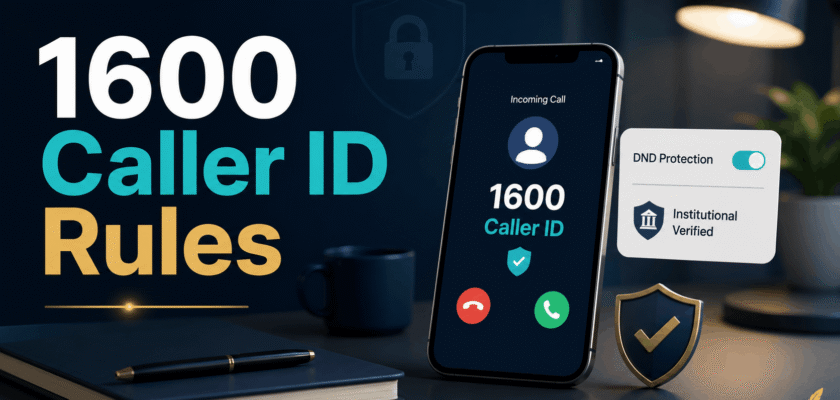
| �� Quick Summary TRAI has clarified that caller ID apps and phone dialers should not tag, block, or filter calls from the 1600 series. These numbers are meant for service and transactional communication from regulated institutions and government bodies. Promotional 140-series calls can still be controlled through DND preferences, not random app labels. |
TRAI Rules on 1600 Caller ID Series 2026: What Changed?
TRAI rules on 1600 caller id series 2026 matter because daily phone privacy is no longer only about blocking every unknown number.
For many Indians, the phone dialer has become a stress zone. Every unknown call looks like a possible spam call.
However, the new clarification separates service calls from promotional calls. That split changes how people should filter calls.
In simple words, the 1600 series is meant to build trust for genuine service and transactional calls. The 140 series is meant for registered promotional calls.
Why the 1600 Series Matters for Daily Digital Privacy
The 1600 series is not a normal marketing lane. TRAI has linked it with regulated entities and government-to-citizen communication.
That means banks, insurers, pension-related bodies, securities-related entities, and government services may use this series for important calls.
So, a blind block rule can create a new lifestyle problem. You may block an unwanted call, but you may also miss a genuine alert.
This is why daily spam filtering habits need a small reset.
| ✅ Practical Takeaway Do not treat every 1600 call as spam. Treat it as a verified-number lane, but still verify the caller before sharing any personal detail. |
What TRAI Clarified About 1600 and 140 Calls
- 1600-series calls are meant for service and transactional communication from regulated institutions and government bodies.
- Caller ID apps and phone dialers should not tag, block, or filter 1600-series calls as spam.
- 140-series numbers are used for promotional calls by registered telemarketers.
- Users can block promotional 140-series calls through the DND registry if they do not want those sectors.
- Apps should not create random spam labels for these designated series, because labels can confuse users.
The Truecaller Angle: Helpful App or Legal Friction?
Caller ID apps have helped people screen unknown calls for years. That is why the rule has created debate.
TRAI’s view is different. It wants designated number series to remain trusted and predictable.
Truecaller’s side of the debate is user behavior. Many people do not answer 140 or 1600 calls because they fear spam.
Both points can be true at the same time. India needs verified institutional calling. Users also need protection from misuse.
So, the best lifestyle response is not panic. It is smarter filtering.
How to Filter Institutional Spam Calls Legally
- Use DND preferences for promotional categories from the 140 series.
- Save verified numbers only after checking them on official bank, government, or service websites.
- Never share OTP, PIN, card number, UPI PIN, or password on any call.
- Let non-urgent 1600 calls go to missed calls when you are busy. Then verify through the official app or website.
- Report suspicious communication through official telecom, bank, or cyber-fraud channels instead of relying only on community labels.
| ⚠️ Safety RuleA verified-looking number is not permission to share sensitive data. Verification reduces confusion, but your privacy habit still protects you. |
A Minimalist Call-Filtering Routine for Busy People
A clean phone routine can reduce stress. It can also reduce missed important calls.
First, keep a small call-check window during the day. Do not answer every unknown call during deep work.
Next, check 1600 missed calls through official apps. For example, check your bank app, insurance app, or government portal notification.
Then update your DND choices for promotional 140-series calls. This is the legal filter for unwanted promotional categories.
Finally, keep caller ID apps for normal unknown numbers. But do not depend on them for the 1600 and 140 designated series.
Why This Rule Can Improve Trust
The logic behind the 1600 series is simple. A special number pattern can make service calls easier to recognize.
For example, a customer may receive loan service updates, insurance reminders, pension account communication, or official citizen alerts.
If these calls appear from random 10-digit numbers, fraudsters can copy the look easily.
A structured series makes the system more recognizable. However, it works only when people understand the rule.
Where the User Risk Still Remains
No telecom rule can remove all risk. Scammers adjust quickly.
Also, the average user may not know the difference between 1600, 140, and normal mobile numbers.
That gap can create confusion. Therefore, awareness matters as much as enforcement.
The safest habit is clear: answer less, verify more, and share nothing sensitive on calls.
Impact on Daily Lifestyle and Phone Anxiety
Phone anxiety is real. People often ignore unknown calls because they expect a scam, sales pitch, or pressure conversation.
The TRAI rules on 1600 caller id series 2026 can reduce that anxiety if users treat number categories correctly.
Instead of blocking everything, users can sort calls into three groups.
- 1600: possible service or government communication. Verify before acting.
- 140: promotional communication. Control it through DND.
- Normal mobile or landline numbers: screen carefully with your usual spam tools.
What Businesses Must Understand
This rule also affects brands, banks, insurers, fintech firms, and service platforms.
If customers stop trusting official calls, conversion and service delivery both suffer.
So, companies must use clean caller identity, clear scripts, and no pressure tactics.
They should also send matching app, SMS, or email alerts so users can verify the call later.
Conclusion: Digital Privacy Needs Smarter Habits
TRAI rules on 1600 caller id series 2026 do not mean users must answer every call.
They mean users should stop using one blanket rule for all unknown numbers.
The better habit is simple. Recognize the series. Use DND for promotions. Verify official calls. Never share sensitive details.
That is how digital privacy becomes calmer, cleaner, and more practical in daily life.
FAQs
Can I block 1600-series calls using a caller ID app?
As per TRAI’s clarification, caller ID apps and dialers should not tag, block, or filter 1600-series calls as spam.
Can I stop promotional 140-series calls?
Yes. You can manage promotional 140-series calls through the DND registry preferences.
Does a 1600 number always mean the call is safe?
No. It means the series is designed for trusted service communication. You should still verify before sharing anything.
Should I delete my caller ID app?
No. Caller ID apps may still help with normal unknown numbers. Just understand the limits around designated number series.


