
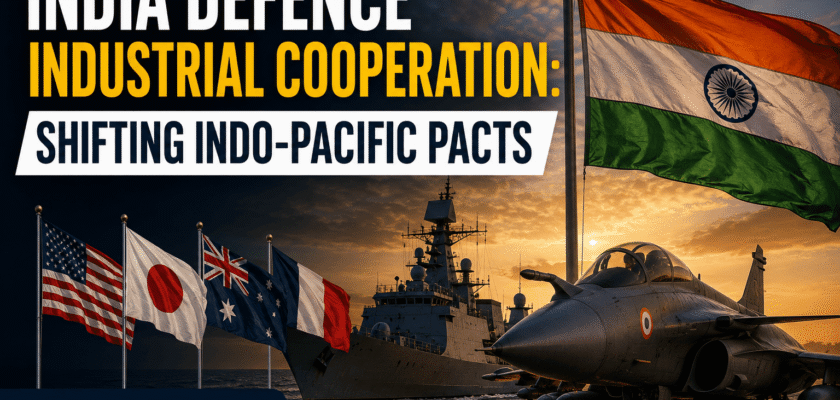
The New Delhi Security Push: Inside the Landmark Bilateral Defence Dialogues in Singapore Today.
The strategic roadmap directing maritime security across the Indo-Pacific region is undergoing a rapid, technology-driven evolution. For decades, South Asian defense diplomacy focused primarily on traditional military exercises, basic hardware maintenance, and routine ship visits. This legacy model helped maintain stable communication lines, but it lacked the deeper integration needed to co-develop next-generation security tools. Consequently, independent nations were often left relying on fragmented supply lines to monitor strategic global trade bottlenecks.
Fortunately, modern defense networks are moving past basic procurement to build highly integrated security alliances instead.
The high-level diplomatic activity tracking the Shangri-La Dialogue 2026 summit highlights this operational change.
Indian officials are executing a comprehensive security push to safeguard vital trading corridors in the Indian Ocean Region.
The first phase of this diplomatic outreach began on Thursday, May 28, 2026, in Singapore.
Led by Defence Secretary Rajesh Kumar Singh, New Delhi co-chaired the 16th India-Singapore Defence Policy Dialogue.
The bilateral discussions focused heavily on accelerating India defence industrial cooperation and emerging technology partnerships. By designing shared production networks, both nations are modernizing their joint capabilities to protect regional waters. This proactive focus establishes an ironclad template for future Indo-Pacific security pacts, proving that modern deterrence requires sharing deep technical blueprints right where security challenges intersect.
1. The Digital Warfare Mesh: Modernizing Defense Networks via AI Integration
The primary operational catalyst driving this strategic diplomatic push centers on preparing national defense infrastructure for digital-era warfare. Traditional security setups relied heavily on isolated, manual radar data sharing, which left gaps open during fast-moving maritime incidents.
In sharp contrast, the newly expanded strategic framework integrates artificial intelligence and unmanned systems straight into the fleet command structure.
                     [ Legacy Monitored Tracking ]
     (Manual Radar Logs ──► Delayed Radio Transmissions ──► Vulnerable Channel Choke Points)
                                      │
                                      ▼
                  [ The 2026 Intelligent Security Core ]
     (Linked Sensor Arrays ──► Autonomous AI Tracking ──► Real-Time Indo-Pacific Protection)
This rapid technical upgrade provides massive strategic advantages across delicate maritime defense lines:
- Analyzing Multi-Domain Systems: Coordinated military arrays monitor cyber security and space tracking logs simultaneously, removing surprise tracking blind spots.
- Deploying Autonomous Fleets: Consequently, the integration of advanced unmanned aerial and sub-surface systems enables continuous border monitoring without exhausting human personnel.
- Protecting Data Pipelines: Therefore, Indian defense forces visited Singapore’s specialized Digital Operations Technology Centre to secure data sharing networks against electronic threats.
2. Re-Engineering Regional Alliances: Deepening Bilateral and Global Command Pacts
The real-world success of this upgraded defense network relies on matching local technology joint ventures with robust, high-level global command agreements.
A. Strengthening the Trilateral Maritime Arch
New Delhi is expanding its diplomatic perimeter by executing coordinated, multi-lateral strategy updates directly on the sidelines of the premier Singapore summit.
Defence Secretary Rajesh Kumar Singh held critical meetings with the Commander of the U.S. Indo-Pacific Command, Admiral Samuel J. Paparo.
The high-level talks focused entirely on boosting military-to-military cooperation and enhancing real-time maritime tracking loops across deep ocean lanes.
This strategic alignment ensures both superpowers use synchronized navigation frameworks, blocking hostile attempts to disrupt open trading pathways.
B. Integrating with Multilateral Command Structures
Furthermore, this comprehensive security push connects local country ties with elite global regulatory bodies to protect wider trade routes:
  [ Indian Delegation Meets NATO Chair ] ───► [ Exchange Global Security Perspectives ]
                                                    │
                                                    ▼
                                     [ Joint Technology Paths Outlined ]
                               "Aligns Tactical Coding and Anti-Drone Armor"
                                                    │
                                                    ▼
                                     [ Unified Indo-Pacific Shields Locked ]
                               "Ensures Open Rule-Based Regional Shipping"
The diplomatic framework expands to bridge Indian security priorities directly with Western defensive command systems.
Secretary Singh met with the Chair of the NATO Military Committee, Admiral Giuseppe Cavo Dragone, to exchange perspectives on global security challenges.
The detailed discussion focused on enhancing strategic dialogue and coordinating response actions against asymmetric maritime threats.
By aligning technology standards with international bodies, India strengthens its position as a primary security anchor in the region.
Consequently, this broad defense network ensures shipping corridors remain highly stable, proving that global partnerships can secure vulnerable waterways easily.
3. Strategic Matrix: Classic Regional Frameworks vs. 2026 Integrated Security Pacts
| Defense Cooperation Axis | Traditional Regional Frameworks | 2026 Integrated Security Pacts |
| Primary Interaction Focus | Basic commercial hardware purchase and minor repairs | Co-developing advanced AI and unmanned tools |
| Data Synchronization | Slow; manual file sharing causes tracking delays | Instant; unified digital operation tech centers |
| Maritime Tracking Base | Fragmented; separate nation radars leave gaps | Unified; real-time US-INDOPACOM sensor grids |
| Regional Stance Scope | Passive; relies on basic local safety patrols | Proactive; open, rule-based border security |
| Risk Characterization | High vulnerability to supply disruptions and cuts | Withdrawn Risk; tech-backed asset resilience |
4. Securing Procurement Chains: Building Industrial Alliances to Counter Global Shortages
The final core trend defining advanced international diplomacy moves away from simple off-the-shelf weapon purchasing to establish independent, shared manufacturing hubs. Because relying entirely on distant manufacturing lines creates severe inventory risks during sudden geopolitical friction, planners are nearshoring factory setups.
  [ Analyze Global Parts Deficits ] ───► [ Build Shared Aerospace Foundries ]
                                                   │
                                                   ▼
                                    [ Scale Local Production Output ]
                              "Speeds Up Drone Shield Delivery by 60%"
                                                   │
                                                   ▼
                                    [ Independent Supply Security Locked ]
                              "Protects Regional Weapon Vaults From Deficits"
Indian industrial planners are utilizing the summit to organize joint manufacturing lines with trusted regional defense industries.
By building shared production foundries, allied nations manufacture replacement electronics and anti-drone armor plates locally.
This independent network cuts shipping wait times down dramatically, bypassing international supply chain bottlenecks entirely.
Thus, proactive industrial management transforms a complex procurement challenge into a powerful driver for regional self-reliance.
This structural balance keeps defensive inventories full, proving that long-term military endurance is won by building responsive, tech-driven factories right alongside your strategic partners.


