Preventing Industry Information Leaks: Why This Issue Matters Now
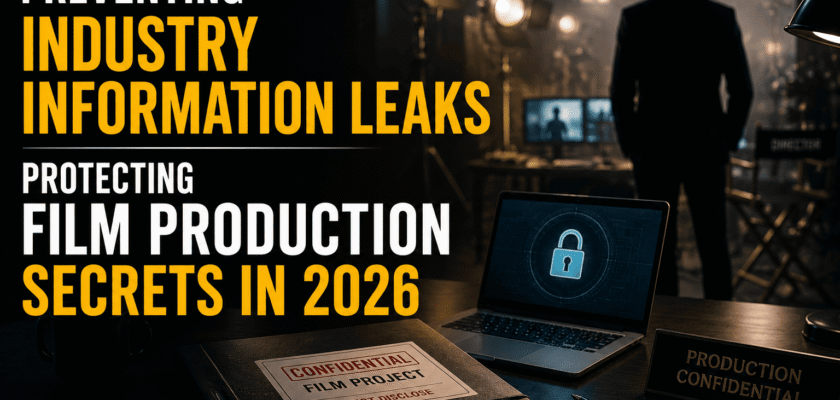
Preventing industry information leaks has become one of the biggest concerns for film studios, OTT platforms, and production houses in 2026. A leaked script, cast detail, climax scene, budget file, or internal creative note can damage a film before its release.
Today, entertainment is not only about cinema halls. It also includes streaming rights, global marketing, fan theories, brand deals, and social media hype. Therefore, one leak can hurt the full business plan.
Studios now understand one simple truth: protecting film production secrets is as important as shooting the film itself.
Why Preventing Industry Information Leaks Became a Studio Priority
Preventing industry information leaks became more important because films now depend heavily on surprise, timing, and public emotion. If a major plot twist leaks before release, audience excitement can drop.
Also, social media spreads information very fast. A small leaked page can become a viral post within minutes. After that, YouTube channels, fan pages, blogs, and entertainment accounts may start discussing the story before the studio is ready.
As a result, studios are becoming stricter with internal access, crew communication, and script sharing.
How Script Leaks Can Damage Franchise Sanctity
Franchise films depend on trust. Fans wait for years to see a sequel, crossover, origin story, or final battle. However, when internal narrative details leak, the studio loses control over the story.
A leaked script can create many problems:
- Fans may judge the story before watching the film
- Competitors may understand the studio’s creative plan
- Marketing teams may lose surprise value
- Actors and directors may face unwanted questions
- Fake leaks may mix with real leaks and create confusion
- The final box office buzz may become weaker
This is why protecting film production secrets is now a serious business need.
Preventing Industry Information Leaks Through Stronger Privacy Rules
Studios are now using stronger privacy rules to control sensitive information. These rules may apply to writers, actors, assistant directors, editors, VFX teams, dubbing teams, marketing partners, and vendors.
Common privacy steps include:
- Strong non-disclosure agreements
- Limited script access
- Watermarked documents
- Secure file-sharing tools
- Role-based access
- No-phone zones on sets
- Private production networks
- Vendor security checks
- Staff training
- Legal action against serious leaks
Moreover, some studios may stop working with people or vendors who repeatedly break trust. This is why the term “blacklisting” often appears in industry discussions.
Why Studios May Blacklist Repeat Leakers
Blacklisting in the entertainment business usually means a studio or production house avoids working with a person, vendor, or partner again. It may happen when someone breaks trust, shares private material, or fails to follow security rules.
Studios may take this step because leaks can cost money, reputation, and creative control.
For example, if a vendor handles VFX shots and those shots leak online, the studio may remove that vendor from future projects. Similarly, if a crew member shares confidential script pages, the production house may avoid hiring that person again.
This is not only punishment. It is also a warning to others that privacy rules matter.
Protecting Film Production Secrets in the Digital Era
Protecting film production secrets has become harder because production work is now digital. Scripts move through emails, cloud folders, editing systems, chat groups, and remote work platforms.
Earlier, studios mainly protected physical script copies. Now, they must also protect digital files.
This includes:
- Script PDFs
- Raw footage
- Edit timelines
- VFX clips
- Voice dubbing files
- Casting lists
- Budget sheets
- Release plans
- Marketing calendars
- Internal feedback notes
Because of this, film security is no longer only a legal issue. It is also a technology issue.
Media Corporate Privacy Policies 2026: What Is Changing?
Media corporate privacy policies 2026 are becoming more detailed and strict. Studios now want every person in the production chain to understand what they can and cannot share.
These policies may include rules for:
- Social media posts from sets
- Behind-the-scenes photos
- Script discussions in public places
- Cloud file access
- Personal device use
- Vendor data storage
- Public interviews
- Internal email forwarding
- AI tool usage
- Trailer and poster leaks
In addition, many companies now train teams before production starts. This helps reduce accidental leaks.
How AI Has Made Leak Control More Difficult
AI has added a new challenge for studios. A person can now upload a script page, scene idea, or internal note into an AI tool and create summaries, fake posters, fake trailers, or story predictions.
This can create confusion for fans. Sometimes fake content looks real, and real content looks fake. Therefore, studios must manage both actual leaks and AI-created rumours.
To reduce this risk, media companies may limit the use of public AI tools for confidential work. They may also create internal AI rules for writers, editors, marketing teams, and production staff.
Why Watermarking Is Becoming More Important
Watermarking is one of the most useful tools for preventing industry information leaks. A studio can add hidden or visible marks to scripts, videos, and images.
If a file leaks, the studio can track who received that version. This makes people more careful because every copy can carry a trace.
For example, a script sent to one actor may have a unique mark. A VFX clip sent to one vendor may also have a unique mark. If that file appears online, the studio can investigate the source.
This is why watermarking is becoming common in film and OTT production security.
Why Vendor Security Matters in Film Production
A big film does not stay inside one office. Many outside teams work on it. These teams may include VFX companies, sound studios, dubbing teams, editors, poster designers, trailer agencies, PR teams, and digital marketing companies.
If even one partner has weak security, a leak can happen.
Therefore, studios may check vendor systems before sharing sensitive content. They may ask questions like:
- Is the network secure?
- Who can access the file?
- Are passwords strong?
- Is multi-factor authentication active?
- Can employees download files?
- Is the data stored safely?
- What happens after the project ends?
This process helps reduce risk across the full production chain.
How Leaks Affect Marketing and Box Office
Marketing teams build excitement step by step. They plan teaser drops, trailer releases, song launches, poster reveals, interviews, and fan campaigns.
However, if key story details leak early, the marketing plan can lose power.
For example, a studio may want to reveal a cameo in the final trailer. But if that cameo leaks months earlier, the surprise disappears. Similarly, if the climax leaks, fans may start judging the film before release.
As a result, leak control directly affects box office buzz and OTT viewership.
What Studios Can Do to Stop Internal Leaks
Studios cannot remove every risk, but they can reduce it with strong systems.
Useful steps include:
- Share only need-to-know information
- Use secure cloud platforms
- Add unique watermarks
- Train crew members
- Create no-phone zones
- Use strong passwords
- Enable multi-factor authentication
- Track file downloads
- Review vendor access
- Take quick legal action when needed
Also, studios should build a culture of trust. When teams understand why secrecy matters, they follow rules more seriously.
Why Fans Should Avoid Leaked Scripts
Fans often feel excited when leaks appear online. However, leaked scripts can harm the film experience.
A leak may be incomplete, outdated, fake, or taken from an early draft. Many films change during editing, reshoots, dubbing, and test screenings. So, a leaked script may not even match the final movie.
Moreover, leaks can hurt writers, directors, actors, and production teams who worked hard to protect the story.
Therefore, fans should enjoy official teasers, trailers, and announcements instead of leaked material.
Final Verdict
Preventing industry information leaks is now a major part of film production strategy. In 2026, studios cannot depend only on trust. They need strong privacy rules, secure technology, careful vendor checks, and strict action against repeat violations.
Protecting film production secrets helps studios save surprise, protect marketing plans, and maintain franchise sanctity. It also keeps the audience experience fresh.
In simple words, a film is not only made on set. It is also protected behind the scenes. The studios that manage secrecy better will have a stronger chance to control their story, their brand, and their box office future.


