
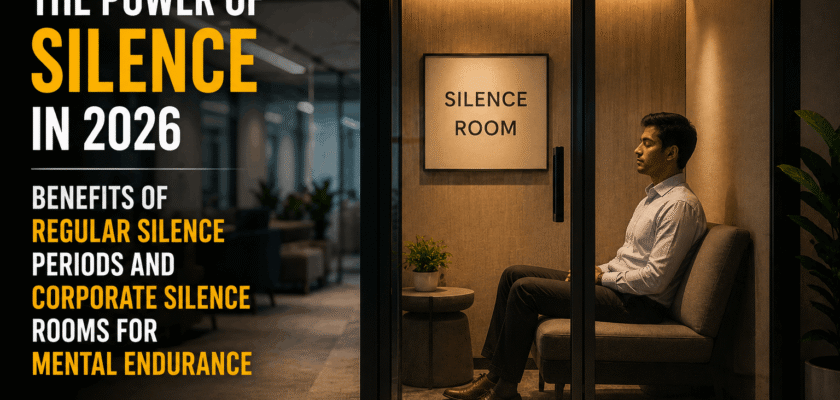
Benefits of Regular Silence Periods: Why Offices Are Turning Quiet
Benefits of regular silence periods are becoming important in modern corporate hubs because workers face constant calls, screens, meetings, messages, and deadlines. In 2026, silence is no longer only a spiritual idea. It is also becoming a workplace recovery tool.
Many companies now understand that the human brain cannot stay in alert mode all day. When employees move from one meeting to another without any quiet break, focus drops and stress rises. Therefore, silence rooms are now appearing in offices as calm spaces for mental reset.
In simple words, silence is becoming a new form of workplace wellness.
Why Benefits of Regular Silence Periods Matter in 2026
Benefits of regular silence periods matter because the modern workday has become too noisy. Even when people are not speaking, their minds stay busy because of emails, notifications, chats, news, and social media.
This “always-on” lifestyle can make the brain tired. Experts have warned that scrolling and constant screen use may feel relaxing, but it can keep the brain in a state of low-level alertness. As a result, real rest becomes harder.
So, silence rooms give workers a chance to pause, breathe, and recover without digital noise.
What Are Silence Rooms in Corporate Hubs?
Silence rooms are quiet spaces inside offices where employees can sit without calls, meetings, music, or screen pressure. These rooms may also be called meditation rooms, reflection rooms, quiet rooms, wellness rooms, or reset spaces.
A good silence room usually has:
- Soft lighting
- Comfortable seating
- Sound control
- No phone calls
- No meetings
- Calm wall colours
- Simple booking rules
- Clear privacy rules
- Short-use time limits
- Clean and respectful design
The goal is not luxury. The goal is mental recovery.
Benefits of Regular Silence Periods for Focus
Benefits of regular silence periods include better focus. When the mind gets a quiet break, it can return to work with more clarity.
In a normal office, employees deal with background talk, keyboard sounds, calls, movement, and alerts. These small distractions may look harmless, but they can slowly reduce attention.
A 10-minute quiet break can help the mind settle. After that, employees may find it easier to write, plan, analyse, design, or solve problems.
Therefore, silence is not wasted time. It can improve the quality of work.
Silence Rooms and Cognitive Recovery Techniques
Cognitive recovery techniques help the brain recover from mental load. Silence rooms support this recovery by reducing sensory input.
When a person sits quietly, the brain gets fewer signals to process. This can lower mental pressure and help the person feel more grounded.
Useful cognitive recovery techniques inside a silence room include:
- Slow breathing
- Eyes-closed rest
- Short meditation
- Prayer or reflection
- Gentle stretching
- Body scan practice
- Mindful sitting
- Silent journaling
- Gratitude thinking
- No-screen pause
Moreover, these practices do not need expensive tools. A quiet space and a few minutes can help.
Stress Management Frameworks 2026: Why Silence Fits In
Stress management frameworks 2026 are becoming more practical and employee-focused. Companies are moving beyond one-time wellness webinars. They now want daily systems that employees can actually use.
Silence rooms fit well into this model because they are simple. Employees do not need to explain their stress to anyone. They can take a short break and return calmly.
Also, silence rooms can support different people in different ways. One employee may use the room for meditation. Another may use it for prayer. Someone else may use it to calm down after a tough meeting.
This flexibility makes silence rooms useful in diverse workplaces.
Why Silence Has a Spiritual Side
Silence has always had a place in spirituality and religion. Many traditions use silence for prayer, self-control, reflection, discipline, and inner peace.
However, modern corporate silence rooms are usually not limited to one religion. They work better when they remain inclusive and neutral.
A well-designed room should respect all employees. It should allow quiet prayer, meditation, reflection, or simple rest without pushing one belief system.
This is why the idea is sometimes called secular asceticism. It takes the discipline of silence and uses it in a modern, non-religious workplace setting.
What Is Secular Asceticism?
Secular asceticism means using simple self-discipline without attaching it to one religious identity. In this context, it means choosing silence, pause, and restraint in a world full of noise.
Corporate silence rooms reflect this idea. They encourage workers to step away from constant stimulation for a few minutes.
This does not mean employees must become monks. It simply means they can practice small moments of self-control.
For example, instead of checking the phone after a stressful call, a person can sit silently for 7 minutes. That small pause can change the rest of the day.
Benefits of Regular Silence Periods for Emotional Control
Benefits of regular silence periods also include better emotional control. When people feel angry, anxious, or overwhelmed, they often react quickly. However, silence creates space between feeling and response.
This space matters in professional life.
A quiet pause before replying to a difficult email can prevent conflict. A few minutes of silence after a tense meeting can reduce emotional pressure. Similarly, silent breathing before a presentation can calm the body.
As a result, employees may communicate better and make fewer impulsive decisions.
Why Open Offices Need Silence Rooms
Open offices encourage teamwork, but they can also create noise and stress. Many employees struggle to focus when people talk, phones ring, and meetings happen nearby.
Therefore, silence rooms can balance open office design. They give employees a protected space where they can step away without leaving the workplace.
Workplace design experts also recommend quiet rooms or meditation spaces for restorative breaks, especially when companies want better focus and employee wellbeing.
So, silence rooms are not anti-social. They support better work by giving people recovery time.
How Companies Can Design Better Silence Rooms
A silence room should feel simple, clean, and safe. It should not become another meeting room or phone booth.
Companies can follow these design rules:
- Keep the room sound-controlled
- Use warm and soft lighting
- Avoid bright screens
- Add comfortable chairs or floor seating
- Keep the design neutral
- Add clear “silent use only” signs
- Limit use to 10–20 minutes
- Avoid strong fragrance
- Allow prayer and meditation equally
- Keep the room clean and clutter-free
In addition, companies should make sure people do not misuse the room for calls or private meetings.
What Employees Should Do Inside a Silence Room
Employees do not need special training to use a silence room. The best approach is simple.
They can:
- Sit quietly
- Breathe slowly
- Keep phone silent
- Close eyes
- Avoid scrolling
- Reflect on one thought
- Pray silently
- Stretch gently
- Calm the body
- Return to work slowly
The main rule is to reduce input. No calls, no reels, no loud music, and no office discussion.
How Long Should a Silence Period Be?
A silence period does not need to be very long. Even 5 to 15 minutes can help many people feel calmer.
For busy employees, a short silence routine can look like this:
- 2 minutes before a meeting
- 5 minutes after lunch
- 10 minutes after a stressful call
- 15 minutes during a long workday
- 5 minutes before leaving office
Consistency matters more than duration. A small daily practice can build mental endurance over time.
Why Silence Rooms Can Help Reduce Burnout
Burnout often builds slowly. It can start with tiredness, irritation, low focus, and emotional heaviness. If employees never get recovery time, the pressure can grow.
Silence rooms cannot solve every workplace problem. Companies still need fair workload, good leadership, proper pay, and healthy culture.
However, silence rooms can become one useful support system. They give people permission to pause before stress becomes too heavy.
Moreover, regular silence can remind employees that rest is not laziness. It is part of performance.
Possible Problems With Silence Rooms
Silence rooms can fail if companies treat them like a trend. A room alone will not fix a toxic workplace.
Common mistakes include:
- Using the room for meetings
- Allowing calls inside
- Poor soundproofing
- No clear rules
- Making the room too religious
- Turning it into a storage area
- Not cleaning it properly
- Ignoring employee feedback
- Using wellness as a branding trick
Therefore, companies must design silence rooms with real purpose.
Why Silence Is Different From Doing Nothing
Many people think silence means doing nothing. However, silence can be active recovery.
During silence, the mind can process thoughts, emotions, and decisions. It can also move out of constant reaction mode.
This is why silence supports mental endurance. It trains people to stay calm without needing constant stimulation.
In a noisy world, this is a powerful skill.
Final Verdict
Benefits of regular silence periods are becoming more valuable as corporate life becomes faster, louder, and more digital. Silence rooms give employees a simple way to recover focus, reduce stress, and build emotional control.
In 2026, smart companies will not see silence as empty time. They will see it as mental infrastructure.
The best silence rooms are inclusive, simple, and respectful. They allow prayer, meditation, reflection, and quiet rest without forcing any belief.
In simple words, the modern office needs more than Wi-Fi, coffee, and meeting rooms. It also needs quiet spaces where the mind can breathe.


