
Cognitive Recovery Protocol: Why Silence Is Becoming a Work Skill
Cognitive recovery protocol is becoming important for modern workers because the workday has become full of screens, meetings, calls, notifications, AI tools, and constant decision-making. Many employees are not only physically tired. They are mentally overloaded.
In 2026, silence is no longer just a spiritual idea. It is also becoming a practical recovery tool for offices, founders, creators, managers, and knowledge workers.
Therefore, structural silence rooms are becoming part of a new work culture where people protect their attention like they protect their time.
Why Cognitive Recovery Protocol Matters in 2026
Cognitive recovery protocol matters because the brain cannot stay in high-alert mode all day. Constant messages, online meetings, multitasking, and short-form content keep the mind active even when the body is sitting still.
This creates mental fatigue. Over time, workers may feel distracted, irritated, less creative, and emotionally drained.
As a result, companies are paying more attention to rest, recovery, and mental health support. Workplace wellness trends in 2026 now focus on practical systems that employees can actually use, not only one-time wellness talks.
What Is a Cognitive Recovery Protocol?
A cognitive recovery protocol is a simple routine that helps the brain recover from mental load. It can include silence, breathing, no-screen time, reflection, slow walking, prayer, meditation, or quiet sitting.
The goal is not to escape work. The goal is to return to work with a calmer mind.
A basic cognitive recovery protocol may include:
- 5 minutes of silence before deep work
- 10 minutes of no-screen rest after meetings
- 2 minutes of slow breathing before a hard call
- 15 minutes inside a silence room during overload
- No notifications during focus time
- Short reflection after stressful tasks
- Clear meeting breaks
This makes recovery a daily habit, not a rare luxury.
Why Structural Silence Rooms Are Rising
Structural silence rooms are quiet spaces designed inside offices, homes, coworking spaces, and wellness hubs. They give workers a place to sit without noise, phone calls, meetings, screens, or social pressure.
These rooms are different from normal break rooms. A break room may include talking, coffee, food, and phone scrolling. A silence room is built for stillness.
It may include:
- Soft lighting
- Sound control
- Simple seating
- Neutral design
- No phone calls
- No meetings
- No loud music
- No work discussions
- Short time slots
- Clear quiet rules
This structure helps workers pause without confusion.
Cognitive Recovery Protocol and Mental Endurance
Cognitive recovery protocol supports mental endurance. Mental endurance means the ability to stay focused, calm, and clear during long workdays.
However, endurance does not mean forcing the brain nonstop. Real endurance comes from cycles of effort and recovery.
For example, an athlete trains hard but also rests. A worker also needs recovery after heavy thinking, emotional meetings, creative decisions, and digital overload.
Therefore, silence rooms work like recovery zones for the mind.
Secular Asceticism Practice: What It Means
Secular asceticism practice means using simple self-discipline without connecting it to one specific religion. In this case, it means choosing silence, restraint, and mental space in a noisy digital world.
This does not mean workers must live like monks. It simply means they create small boundaries.
For example:
- No phone for 15 minutes
- No talking in a silence room
- No meeting during focus blocks
- No social media between tasks
- No multitasking during deep work
- No instant reply pressure
These small rules can protect mental energy.
Why Silence Has Both Spiritual and Practical Value
Silence has always been important in many spiritual and religious traditions. People use silence for prayer, self-reflection, discipline, forgiveness, gratitude, and inner peace.
However, modern workers also need silence for practical reasons. It helps them think clearly, slow down reactions, and recover from constant input.
A good silence room should stay inclusive. It should allow quiet prayer, meditation, reflection, or simple rest without forcing any belief system.
This makes silence useful for people from different backgrounds.
How Digital Overload Damages Attention
Digital overload happens when the mind receives too much information too quickly. Emails, chats, reels, news, alerts, calls, and AI tools all compete for attention.
This constant input can break deep thinking.
A worker may sit for eight hours but still feel like nothing meaningful was done. The reason is often attention fragmentation.
Cognitive recovery protocol helps by creating empty space in the day. That space allows the brain to reset before the next task.
Why Quiet Rooms Support Psychological Safety
Quiet rooms can also support psychological safety. When employees know they can step away for a short recovery break, they feel more respected.
This is important during stressful workdays.
A worker may need silence after a difficult client call, a tense review meeting, or a personal emotional moment. If the office has no quiet space, that person may have to hide stress or continue working while overwhelmed.
A silence room gives a healthier option.
What Research Says About Rest and Burnout
Workplace burnout has become a serious issue. Research on employee burnout recommends stress management interventions, social support, employee involvement, and healthier performance systems. (sciencedirect.com)
Serenity rooms and similar quiet spaces have also been studied in healthcare workplaces. A rapid review found that such spaces can support workplace wellbeing for nurses and other practitioners, especially in stressful environments. (pmc.ncbi.nlm.nih.gov)
This does not mean a silence room can fix every workplace problem. However, it can become one useful part of a larger wellness system.
Cognitive Recovery Protocol for Office Workers
Office workers can use a cognitive recovery protocol in simple ways.
A practical office routine can look like this:
- Start the day with 3 minutes of silence
- Turn off notifications during deep work
- Take 5 quiet minutes after long meetings
- Use a silence room after stressful calls
- Avoid phone scrolling during lunch
- Walk quietly for 10 minutes in the evening
- End the day with a short reflection
These small steps reduce mental noise.
Moreover, they do not need expensive equipment.
Cognitive Recovery Protocol for Remote Workers
Remote workers also need silence, even if they work from home. In fact, remote work can blur the line between office and personal life.
A home-based recovery protocol may include:
- A no-phone desk rule
- A silent corner at home
- Short breathing breaks
- Clear start and end time
- No work calls during meals
- 10-minute screen-free breaks
- Quiet time before sleep
- Separate work and rest spaces
This helps remote workers avoid constant online pressure.
How Companies Can Design Silence Rooms
Companies should design silence rooms with care. The room should not become a meeting room, phone booth, storage area, or nap zone without rules.
A good silence room should include:
- Clear “silent use only” sign
- Soft lighting
- Comfortable seating
- Clean air
- No screens
- Sound control
- Neutral decor
- Short booking slots
- Inclusive usage rules
- Regular cleaning
The space should feel calm, not corporate or flashy.
Rules for Structural Silence Rooms
Rules make silence rooms useful. Without rules, people may use the room for calls or casual talk.
Simple rules can include:
- No phone calls
- No loud music
- No meetings
- No video calls
- No food smell
- Keep phone silent
- Use for 10 to 20 minutes
- Respect others
- Leave the room clean
- Use it for quiet recovery only
Clear rules protect the purpose of the space.
Why Silence Is Not Laziness
Many workers feel guilty when they pause. They think rest means laziness. However, rest is part of performance.
A tired brain makes poor decisions. It reacts faster, listens less, and misses details.
Silence helps the mind slow down. After a quiet pause, a worker may return with better focus and better emotional control.
So, silence is not empty time. It is recovery time.
Cognitive Recovery Protocol and Creativity
Cognitive recovery protocol can also support creativity. Good ideas often appear when the brain has space.
If every minute is filled with meetings, messages, and screens, creative thinking becomes harder.
Silence gives the mind room to connect ideas. A quiet room, a slow walk, or a no-screen pause can help writers, designers, managers, founders, and creators think better.
Therefore, silence is not only for stress relief. It can also improve creative work.
The Link Between Silence and Emotional Control
Silence creates space between emotion and response. This is very useful in professional life.
For example, after a sharp email, a worker may want to reply angrily. But after 5 minutes of silence, the response may become calmer.
This small pause can prevent conflict.
In leadership, this matters even more. A calm leader can handle pressure better and make decisions with more clarity.
Why Modern Workers Need Digital Boundaries
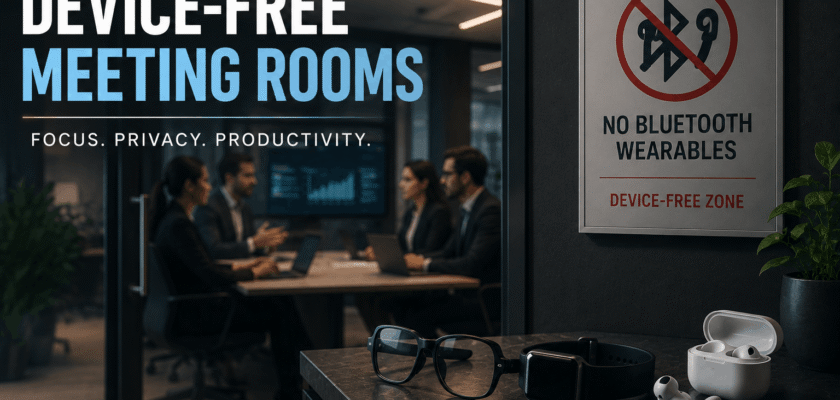
Modern workers need digital boundaries because work tools now follow them everywhere. Messages come on phones, watches, laptops, tablets, and sometimes even wearable devices.
Without boundaries, the brain never fully switches off.
Digital boundaries may include:
- No notifications during focus blocks
- No work chats after a set time
- No phone in silence rooms
- No meeting during lunch
- No social media between tasks
- No checking emails before sleep
- No instant reply expectation
These rules support mental recovery.
Can Silence Rooms Reduce Burnout?
Silence rooms can help reduce burnout risk, but they cannot solve burnout alone. Burnout often comes from workload, poor leadership, lack of control, unclear expectations, and unfair culture.
So, companies must not use silence rooms as a cosmetic wellness tool.
They should also fix:
- Overwork
- Meeting overload
- Poor management
- Toxic communication
- Low autonomy
- Unclear goals
- No recovery time
- Lack of support
A silence room works best when the wider workplace culture also supports health.
Mistakes Companies Should Avoid
Companies should avoid turning silence rooms into a branding gimmick.
Common mistakes include:
- Making the room too fancy but unused
- Allowing calls inside
- Ignoring employee feedback
- Using it as storage
- Forcing meditation
- Linking it to one religion
- Not cleaning the space
- Not training managers
- Ignoring workload problems
- Treating silence as a replacement for fair work culture
A silence room should support people, not hide deeper workplace issues.
How Individuals Can Start Without a Silence Room
A worker does not need a special room to start. A simple cognitive recovery protocol can begin anywhere.
Try this:
- Sit quietly for 5 minutes
- Keep the phone away
- Close your eyes
- Breathe slowly
- Relax your shoulders
- Notice your thoughts
- Do not judge them
- Return to work gently
This small habit can become powerful if repeated daily.
Future of Structural Silence Rooms
Structural silence rooms may become more common in offices, coworking spaces, airports, universities, hospitals, and corporate campuses.
As work becomes faster and more digital, silence may become a premium design feature.
Future silence rooms may include:
- Soundproof pods
- Prayer-neutral spaces
- Guided breathing lights
- Screen-free zones
- Booking through wellness apps
- Air-quality control
- Biofeedback tools
- Soft acoustic design
- Minimal furniture
- Privacy-first rules
However, the best silence rooms will stay simple. Too much technology can defeat the purpose.
Final Verdict
Cognitive recovery protocol is becoming a practical need for modern workers. In a world full of screens, messages, meetings, and constant noise, silence gives the mind a chance to recover.
Structural silence rooms can support mental endurance, emotional control, creativity, and workplace wellbeing. They can also respect spiritual reflection while staying inclusive for everyone.
However, silence rooms should not become a shallow trend. Companies must combine them with fair workloads, healthy leadership, and real digital boundaries.
In simple words, silence is not the opposite of productivity. It is one of the foundations of sustainable productivity.


