
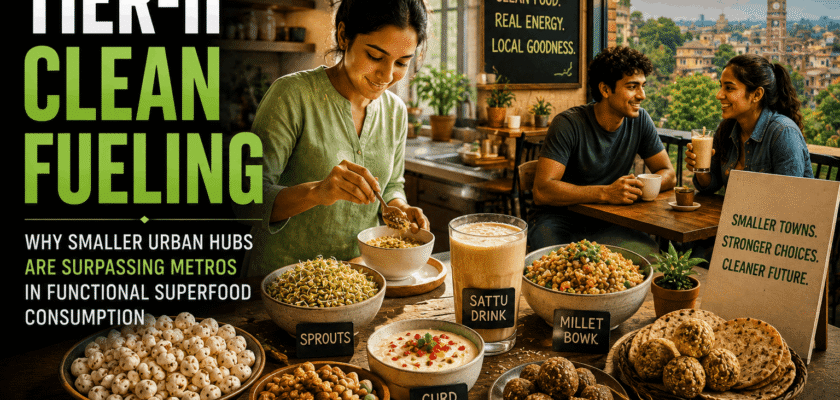
Tier-II Clean Fueling: Why Smaller Cities Are Changing India’s Food Map
Tier-II clean fueling is becoming a strong food trend because smaller urban hubs are no longer following metros slowly. They are now building their own clean eating habits through functional superfoods, healthier snacks, millet-based meals, protein-rich foods, makhana, fermented foods, nuts, seeds, and regional nutrition traditions.
Earlier, clean eating was mostly seen as a metro trend. People linked it with expensive cafés, imported products, gym diets, and premium organic stores. Now, the shift is wider. Tier-II cities are choosing practical, affordable, and local nutrition options.
Therefore, Tier-II clean fueling is not just a food trend. It is a lifestyle change where smaller cities are using food as daily health support.
Why Tier-II Clean Fueling Matters in 2026
Tier-II clean fueling matters because healthy food demand is expanding beyond Delhi, Mumbai, Bengaluru, and Hyderabad. Smaller cities now have better e-commerce access, more health awareness, more gyms, more wellness creators, and more young consumers who track food choices.
IMARC says India’s healthy food market was valued at USD 25,802.49 million in 2025 and may reach USD 59,813.31 million by 2034, growing at a CAGR of 9.79% from 2026 to 2034. The report also notes that e-commerce platforms and health-focused D2C brands are improving accessibility across urban and semi-urban markets.
This shows that clean food is becoming more available outside metros.
What Is Tier-II Clean Fueling?
Tier-II clean fueling means smaller cities are choosing food that supports energy, digestion, weight management, immunity, and long-term wellness. It does not mean fancy dieting. It means daily food choices are becoming more intentional.
It may include:
- Roasted makhana
- Millet rotis
- Ragi snacks
- High-protein curd
- Sprouts
- Nuts and seeds
- Fruit bowls
- Fermented foods
- Low-sugar drinks
- Home-style balanced meals
In simple words, clean fueling means eating food that gives energy without making the body feel heavy.
Tier-II Clean Fueling and Functional Superfoods
Tier-II clean fueling is closely linked with functional superfoods. Functional foods are foods that offer nutrition plus health-supporting benefits. They may support digestion, heart health, blood sugar balance, muscle recovery, or energy.
Functional superfoods can include:
- Makhana
- Millets
- Ragi
- Chia seeds
- Flax seeds
- Amla
- Turmeric
- Curd
- Fermented foods
- Nuts
- Seeds
- Lentils
- Seasonal fruits
A Ministry of Food Processing Industries sector profile notes that specialised diets and functional foods for health-specific needs are gaining ground across Tier 1 and Tier 2 cities.
This supports the idea that the trend is not limited to metros.
Why Smaller Urban Hubs Are Surpassing Metros
Smaller urban hubs are surpassing metros in some clean eating habits because their food culture is still closer to home-style cooking. Many Tier-II consumers may choose health foods without fully depending on expensive cafés or packaged products.
Tier-II cities often have:
- Strong local food traditions
- Easier access to fresh produce
- Lower eating-out dependency
- More family-style meals
- Rising gym and wellness culture
- More affordable clean food experiments
- Regional superfoods already in kitchens
- Faster adoption through WhatsApp and Instagram
- D2C delivery access
- Lower pressure to follow imported diet trends
This makes clean eating more practical and less performative.
The Rise of Makhana as a Superfood
Makhana has become one of the strongest examples of India’s functional snack shift. It is light, easy to roast, easy to carry, and fits many diets.
Times of India recently highlighted makhana as a superfood rich in protein, fibre, magnesium, potassium, and calcium. The report also noted that makhana is low in calories, sodium, and cholesterol, and can be used in snacks like roasted makhana, makhana chaat, makhana raita, and makhana bhel.
This is why makhana works well in Tier-II clean fueling.
It is not an imported health food. It is Indian, familiar, and flexible.
Why Regional Superfoods Are Winning
Regional superfoods are winning because they are easier to trust. Consumers often prefer foods that their families already know, especially when health claims are simple and practical.
Regional clean foods include:
- Makhana from Bihar
- Ragi from South India
- Bajra from Rajasthan and Gujarat
- Jowar from Maharashtra
- Amla from North India
- Coconut-based foods from coastal regions
- Fermented rice dishes from eastern India
- Sattu from Bihar and Uttar Pradesh
- Curd and chaas across India
- Lentil-based snacks
These foods do not need complicated marketing. People already understand them.
Clean Eating Is Moving From Dieting to Daily Routine
Clean eating in smaller cities is becoming less about dieting and more about daily routine. People are not only trying to lose weight. They are trying to feel lighter, improve digestion, reduce sugar intake, and avoid lifestyle diseases.
This is an important shift.
Earlier, many people saw healthy food as temporary. Now, more users want sustainable food habits.
They want:
- Better breakfast
- Less fried snacks
- More protein
- Less sugar
- Better gut health
- More fibre
- Clean evening snacks
- Better lunchbox options
- Lighter dinners
- Healthier festival alternatives
This makes the trend stronger.
Why Tier-II Consumers Are More Value-Conscious
Tier-II consumers often want health, but they also want value. They may not accept very expensive imported products unless the benefit is clear.
This is why local superfoods can perform better.
A ₹100 imported snack may feel unnecessary. But roasted makhana, sprouts, peanuts, chana, curd, millet roti, or sattu drink can feel affordable and useful.
Value-conscious clean fueling depends on:
- Price
- Taste
- Availability
- Family acceptance
- Easy preparation
- Trust
- Regional familiarity
- Clear health benefit
- Low waste
- Daily use
This is why smaller cities may build a more grounded version of clean eating.
Functional Food Market Growth Supports the Trend
The functional food market is growing globally. Fortune Business Insights projects the global functional food and beverage market to grow from USD 437.62 billion in 2026 to USD 983.17 billion by 2034, at a CAGR of 10.65%.
This global growth supports India’s local trend.
However, India’s version may look different from Western markets. Instead of only protein bars and packaged shakes, India may see growth in millets, makhana, curd, amla drinks, digestive foods, diabetic-friendly snacks, and clean regional meals.
This makes the market more culturally relevant.
Why D2C Brands Are Targeting Smaller Cities
D2C food brands are targeting smaller cities because online shopping has made health products easier to access. A consumer in Kota, Indore, Jaipur, Patna, Lucknow, Nagpur, Surat, Bhopal, or Coimbatore can order clean snacks, millet mixes, protein foods, and organic staples online.
D2C brands can grow by offering:
- Trial packs
- Regional language content
- Affordable combos
- Family-size packs
- Subscription models
- Recipe videos
- Clean labels
- COD options
- WhatsApp support
- Local influencer marketing
Smaller cities are not low-value markets. They are fast-growing wellness markets.
Social Media Is Making Clean Food Aspirational
Social media has changed how people see food. Earlier, healthy food looked boring. Now, reels make healthy recipes look stylish, quick, and easy.
Popular formats include:
- High-protein breakfast reels
- Makhana snack recipes
- Millet dosa videos
- Weight-loss lunchbox ideas
- Sugar-free sweets
- Gut-health drinks
- Clean street-food recreations
- Gym diet meals
- Simple salad bowls
- Regional superfood stories
This helps Tier-II consumers discover clean eating without needing a nutritionist.
Why Gyms and Fitness Studios Are Influencing Food Choices
Gyms and fitness studios in Tier-II cities are influencing food choices. Young professionals, students, brides and grooms, creators, and working parents are becoming more aware of protein, calories, sugar, and recovery foods.
Fitness culture creates demand for:
- High-protein snacks
- Eggs
- Paneer
- Greek-style curd
- Peanut butter
- Protein laddoos
- Nuts
- Seeds
- Sprouts
- Millet meals
- Low-sugar drinks
This makes functional foods part of daily performance.
Food is becoming fuel, not only taste.
Tier-II Clean Fueling and Women Consumers
Women consumers are playing a major role in Tier-II clean fueling. Many women manage household food decisions, children’s snacks, elder care meals, and grocery choices.
They may choose healthier foods for:
- Child nutrition
- Weight control
- PCOS-friendly eating
- Diabetes prevention
- Digestive health
- Family immunity
- Lunchbox planning
- Senior citizen diets
- Festival sweets
- Daily energy
Brands that understand family nutrition can win in smaller cities.
Clean Snacks Are Replacing Fried Evening Options
Evening snacks are a major opportunity. In many Indian homes, evening snacks are fried, salty, or sugar-heavy. Clean fueling is changing this habit slowly.
Healthier evening options include:
- Roasted makhana
- Roasted chana
- Peanut chaat
- Sprouts chaat
- Fruit chaat
- Millet khakhra
- Baked namkeen
- Curd bowls
- Sattu drink
- Nuts and seeds mix
These options give taste without heavy oil.
If clean snacks are tasty and affordable, they can replace fried snacks more easily.
Tier-II Clean Fueling and Gut Health
Gut health is becoming a mainstream topic. People now connect digestion with energy, mood, immunity, and weight.
Common gut-friendly foods include:
- Curd
- Chaas
- Fermented rice
- Idli
- Dosa
- Kanji
- Pickles in moderation
- Fibre-rich vegetables
- Fruits
- Whole grains
- Lentils
Times of India recently highlighted probiotics like curd, kefir, and sauerkraut as foods linked with healthy aging and overall wellbeing.
In India, curd and chaas are already familiar, making gut-health adoption easier.
Why Millets Are Becoming Daily Food Again
Millets are returning because they are local, fibre-rich, and suitable for many Indian diets. After the International Year of Millets, awareness improved, but the real adoption depends on taste and convenience.
Millets can be used in:
- Rotis
- Dosa
- Upma
- Khichdi
- Porridge
- Cookies
- Snacks
- Breakfast mixes
- Noodles
- Ready-to-cook meals
Tier-II households may adopt millets faster when recipes feel familiar.
The best millet products will be tasty, easy, and not overpriced.
Functional Superfoods for Indian Households
Functional superfoods for Indian households should be practical. A food is useful only when people can eat it regularly.
Good household options include:
- Makhana for snacking
- Sattu for summer drinks
- Ragi for breakfast
- Amla for vitamin C
- Curd for gut health
- Chana for protein
- Peanuts for budget nutrition
- Bajra for winter meals
- Sprouts for salads
- Turmeric in cooking
These foods fit Indian kitchens naturally.
That is their biggest strength.
Why Taste Still Decides Adoption
Taste still decides adoption. A health food that tastes bad will not survive daily use.
Tier-II consumers may try a product once due to hype, but they will repeat only if it tastes good and feels worth the price.
Brands must balance:
- Taste
- Health benefit
- Price
- Texture
- Packaging
- Shelf life
- Recipe flexibility
- Family acceptance
- Trust
- Availability
Clean eating should not feel like punishment.
Price Sensitivity and Premium Health Foods
Premium health foods may struggle if pricing is too high. Not every consumer wants expensive granola, imported seeds, or subscription-based diet boxes.
Affordable clean foods can scale better.
Examples include:
- Roasted chana
- Peanuts
- Seasonal fruits
- Curd
- Sprouts
- Millets
- Sattu
- Makhana
- Lentils
- Homemade trail mix
Tier-II clean fueling is not about luxury wellness. It is about smart nutrition within budget.
How Local Restaurants Can Use This Trend
Local restaurants and cafés in smaller cities can benefit from clean fueling by adding healthier options without losing taste.
They can offer:
- Millet dosa
- Protein bowls
- Makhana chaat
- Sprouts chaat
- Sattu drinks
- Grilled paneer wraps
- Low-oil thalis
- Ragi pancakes
- Curd-based bowls
- Jaggery-based sweets
The key is to keep food familiar.
A small menu change can attract health-conscious customers.
Cloud Kitchens Can Build Clean Regional Menus
Cloud kitchens can use this trend by building clean regional menus. Instead of copying metro salad brands, they can create practical local options.
Possible ideas:
- High-protein poha
- Millet khichdi
- Sattu paratha meal
- Low-oil thali
- Curd rice bowl
- Bajra roti combo
- Sprouts tikki
- Makhana snack box
- Ragi idli meal
- Diabetic-friendly lunchbox
This can work well in Tier-II markets because customers want health plus comfort.
Packaged Food Brands Need Clean Labels
Packaged food brands must use clean labels to gain trust. Consumers are now reading ingredients more often.
A clean label should be simple.
Customers look for:
- Less sugar
- Less refined oil
- No artificial colour
- No unnecessary preservatives
- Whole grains
- Real ingredients
- Protein and fibre
- Clear calorie information
- Honest serving size
- Allergen information
If a product says “healthy” but has too much sugar, customers may reject it.
Why Family Acceptance Matters
Family acceptance matters because food decisions in India are often collective. A young person may want clean snacks, but parents and elders also influence buying.
A product works better when it can be eaten by many family members.
For example:
- Makhana can suit children and adults
- Curd works for meals and snacks
- Millets can fit family rotis
- Sattu can be a summer drink
- Roasted chana is familiar
- Amla can be used in chutney or juice
Family-friendly foods scale faster.
Regional Clean Eating and Local Farmers
Regional clean eating can support local farmers if supply chains are built properly. Demand for millets, makhana, amla, pulses, nuts, fruits, and traditional grains can create better income opportunities.
However, supply chains need improvement.
Farmers need:
- Better processing
- Better storage
- Better packaging
- Fair pricing
- Quality grading
- Local brand partnerships
- Farmer producer organisations
- Cold chain support
- Shelf-life technology
- Market access
Functional food growth should benefit producers, not only brands.
Shelf Life Is a Real Challenge
Shelf life is a real challenge for functional and superfood products. Healthy foods often need better storage, moisture control, and packaging.
A Times of India report on a functional food workshop at RPCAU noted that India loses around 20% of agricultural produce post-harvest due to inadequate storage, poor transport, and lack of processing facilities. It also highlighted the need to improve shelf life of nutritionally rich foods.
This is important for Tier-II clean fueling.
If products spoil quickly or quality drops, consumer trust falls.
Food Safety Must Stay Central
Clean eating must also be safe eating. A product is not healthy if hygiene, sourcing, or storage is poor.
Consumers should check:
- Manufacturing date
- Expiry date
- FSSAI licence
- Ingredient list
- Allergen warning
- Storage instructions
- Sugar content
- Sodium content
- Packaging quality
- Brand credibility
Small brands can win trust by being transparent.
Food safety is part of wellness.
What Consumers Should Avoid
Consumers should avoid blindly following every superfood trend. Not every “healthy” product is truly healthy.
Avoid:
- High-sugar health bars
- Deep-fried “millet” snacks
- Overpriced imported foods without need
- Fake organic claims
- Crash diet products
- Too many supplements
- Detox drinks with big claims
- Ignoring medical conditions
- Eating one food as a cure-all
- Replacing balanced meals with snacks
A superfood supports health. It does not replace a balanced lifestyle.
Simple Tier-II Clean Fueling Daily Plate
A simple daily plate can be practical and affordable.
Breakfast
Poha with peanuts, ragi dosa, sprouts, or curd bowl.
Lunch
Dal, sabzi, roti or millet roti, curd, and salad.
Evening Snack
Roasted makhana, chana, fruit chaat, or sattu drink.
Dinner
Light khichdi, paneer bhurji, dal rice, or millet upma.
This is not extreme dieting. It is balanced eating.
Clean Fueling Recipe: Makhana Chaat
Here is a simple clean recipe.
Ingredients
- 2 cups roasted makhana
- 1 chopped onion
- 1 chopped tomato
- 1 small cucumber
- 2 spoons curd
- Lemon juice
- Black salt
- Roasted cumin powder
- Chopped coriander
- Green chutney, optional
Method
Roast makhana until crisp. Mix vegetables, curd, lemon juice, salt, cumin powder, and coriander. Add makhana just before eating.
This snack is light, crunchy, and easy for evening hunger.
Clean Fueling Recipe: Sattu Summer Drink
Ingredients
- 2 spoons sattu
- 1 glass cold water
- Lemon juice
- Roasted cumin powder
- Black salt
- Mint leaves
- Chopped onion, optional
Method
Mix sattu with water. Add lemon juice, cumin, black salt, and mint. Stir well and serve fresh.
This drink is affordable, cooling, and filling.
It fits Tier-II clean fueling because it uses a traditional Indian ingredient.
Future of Tier-II Clean Fueling
The future of Tier-II clean fueling looks strong because the trend is practical. Smaller cities are not just copying metro wellness culture. They are combining regional foods, online access, fitness awareness, and family nutrition.
Future growth may come from:
- Millet snacks
- Makhana products
- Functional beverages
- Protein-rich regional foods
- Gut-health foods
- Diabetic-friendly snacks
- Kids’ clean lunchbox products
- Senior nutrition foods
- Local D2C brands
- Clean cloud kitchen menus
The winners will be brands that combine health, taste, trust, and affordability.
Final Verdict
Tier-II clean fueling is becoming a major food trend because smaller urban hubs are choosing functional superfoods and healthier daily eating habits. Makhana, millets, sattu, curd, sprouts, nuts, seeds, and regional foods are becoming practical alternatives to expensive metro-style wellness products.
This shift is supported by rising health awareness, D2C access, fitness culture, social media recipes, and India’s growing healthy food market.
In simple words, clean eating is no longer only a metro lifestyle. Tier-II cities are building their own version of it — more local, more affordable, and more family-friendly.
The future of healthy food in India may come not only from premium cafés, but also from smaller cities that know how to turn traditional foods into modern functional nutrition.


