Decoupling the Streaming Monopolies: How Independent Content Platforms Are Shifting to Micro-Subscription App Ecosystems
Independent filmmaker OTT platform monetization 2026 is changing fast. Many creators no longer want to wait for one large platform to approve, buy, and promote their work.
Instead, they are testing smaller streaming apps, direct rentals, fan memberships, and micro-subscription models. This gives creators more control over pricing, audience data, and release windows.
The shift is not a full replacement for big OTT platforms. However, it gives independent studios a second path when traditional streaming deals are slow, crowded, or too expensive.
| ✅ Quick TakeawayIndependent creators are building smaller, branded OTT apps.Micro-subscriptions can reduce dependence on one large platform.Direct rentals and fan tiers help creators test demand faster.App-store fees and external payment rules still shape margins.The best model mixes subscriptions, rentals, community, and email ownership. |
Why Independent Filmmaker OTT Platform Monetization 2026 Matters
Streaming is no longer a simple growth story. Viewers now move between apps, cancel services, and return only when content feels worth the price.
Deloitte data shows that churn is still high in streaming video. That makes audience loyalty more valuable than simple app installs.
For independent creators, this creates a new opening. A small but loyal group of paying fans can be more useful than a large, passive view count.
What Micro-Subscription App Ecosystems Mean
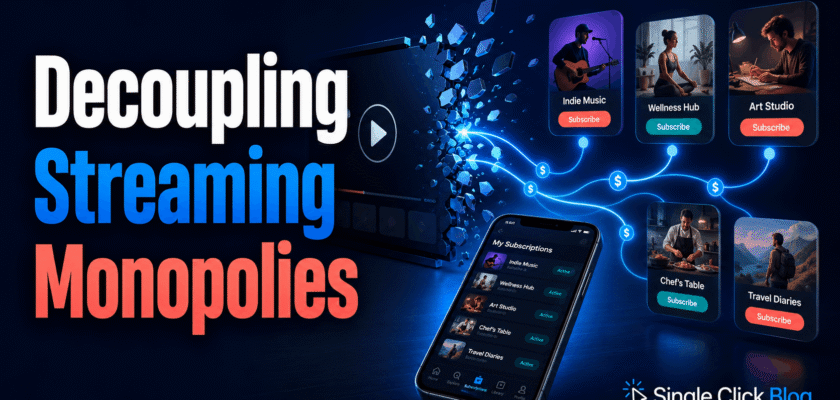
A micro-subscription app is a smaller paid content space built around a niche audience. It may focus on one filmmaker, one studio, one genre, or one regional fan base.
The model can include monthly access, early releases, behind-the-scenes clips, direct rentals, bonus episodes, and community updates.
This is why digital entertainment distribution models are becoming more flexible. Creators can package content in smaller, sharper offers instead of chasing one giant subscription bundle.
Why Creators Are Moving Away from Full Platform Dependence
1. Big Platforms Have Limited Slots
A major OTT platform cannot promote every film. Many strong independent projects get buried after festival runs or limited releases.
2. Fans Want More Direct Access
Fans often follow creators, not only platforms. A direct app or membership can turn that interest into predictable support.
3. Revenue Needs More Control
When creators own the storefront, they can test prices, bundles, rentals, and supporter tiers without waiting for a platform decision.
| ✅ Creator Economy AngleThe new battle is not only Netflix versus Disney. It is also large bundles versus small creator-owned apps that serve one loyal fan segment very well. |
The Pijama Example: Small Platform, Clear Economics
New indie-focused platforms show why this trend is getting attention. Pijama, for example, lets filmmakers host titles for a flat fee and set rental pricing.
Reports say the platform pays a large share of revenue back to producers, sales agents, and distributors after costs and taxes. That model is simple and creator friendly.
It also shows a wider entertainment shift. Independent films can now reach global viewers without always needing a traditional studio pipeline.
Application Store Overheads Still Matter
Reducing application store streaming overheads is a major reason creators study app-to-web payment models. Store commissions can affect small subscription margins.
Apple’s own subscription page explains that developers keep 70% of a subscriber’s first-year price. After one paid year, the net share rises to 85%, before taxes.
At the same time, external payment rules are changing in some markets. That gives streaming apps more room, but compliance is still complex.
Why Micro-Subscriptions Can Work
✅ Lower Audience Pressure
A niche app does not need every viewer. It needs the right viewers who value the content deeply.
✅ Better Fan Data
Creators can learn which trailers, genres, and release windows convert fans into buyers.
✅ Faster Experiments
A creator can test rental prices, monthly tiers, ad-free drops, and bonus content faster than a big OTT platform can.
Risks Creators Should Not Ignore
A micro-subscription app still needs marketing. A creator cannot just upload content and expect paid users to appear.
Payment rules, copyright checks, refund policies, privacy labels, and music rights also matter. These issues can delay app approval or create legal risk.
The model works best when creators already have an audience through YouTube, Instagram, film festivals, email lists, or regional fan communities.
What This Means for Entertainment Platforms
Large platforms will not disappear. They still bring scale, originals, sports rights, and household awareness.
However, the middle layer is changing. More creators now want direct revenue beside platform licensing.
This is why independent filmmaker OTT platform monetization 2026 is a useful trend to watch. It shows how the next entertainment economy may become more modular, more creator-led, and more audience-specific.
Final Takeaway
Decoupling streaming monopolies does not mean destroying big OTT services. It means reducing creator dependence on one gatekeeper.
Micro-subscription apps, direct rentals, and niche OTT platforms give independent creators more pricing control and fan ownership.
For filmmakers, the winning strategy may be simple: use big platforms for reach, and use direct apps for loyal revenue.
FAQs
Q. What is independent filmmaker OTT platform monetization 2026?
A. It means new ways independent filmmakers earn from streaming. These include rentals, micro-subscriptions, memberships, and branded apps.
Q. Are micro-subscription apps replacing Netflix or Prime Video?
A. No. They are not replacing big platforms. They give niche creators another revenue path.
Q. Why do app-store fees matter for streaming apps?
A. Fees can reduce margins on small subscriptions. That is why many creators study web checkout, compliant links, and direct customer relationships.
Q. What should indie creators build first?
A. They should build an email list, a clear niche, a simple paid offer, and a steady release plan before spending heavily on an app.


