


Maharashtra Uniform Civil Code Draft Rules Committee 2026: Quick Summary
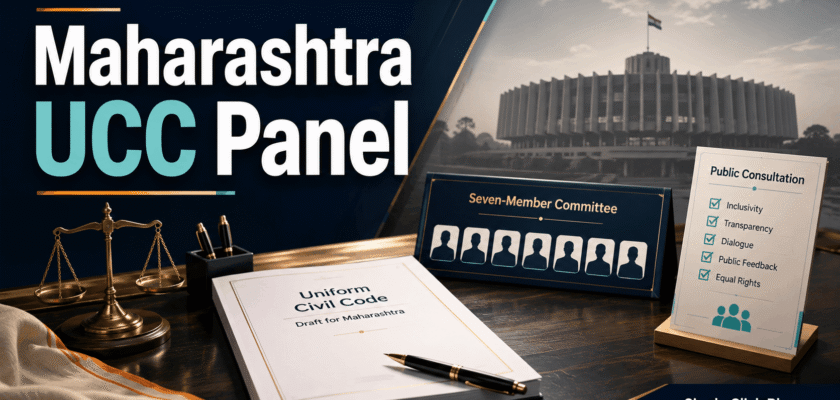
Maharashtra Uniform Civil Code draft rules committee 2026 is now one of the biggest state politics stories of the week. The Maharashtra government has formed a seven-member expert panel to prepare a draft framework for a state-level UCC.
The committee is headed by retired Supreme Court judge Justice Ranjana Prakash Desai. She also led the Uttarakhand UCC drafting process, which gives this move national policy weight.
However, the draft is not a law yet. It is still at the committee stage. Therefore, the real story is the roadmap, the political debate, and the legal questions that may follow.
| ✅ Fast Fact Box |
| Status: Drafting stage only. Chair: Justice Ranjana Prakash Desai. Panel size: Seven members. Expected report window: six months. Possible next step: Nagpur Winter Session debate. |
Why This UCC Committee Matters Now
The Uniform Civil Code debate is not new. But Maharashtra’s move gives it fresh momentum in 2026.
First, Maharashtra is a large and politically powerful state. So, any legal reform here can influence the national debate.
Second, the committee is being led by Justice Ranjana Desai. That matters because she already has direct UCC drafting experience from Uttarakhand.
Third, the government wants a structured report before moving toward legislation. This means the next few months may decide how the draft is shaped.
Maharashtra Uniform Civil Code Draft Rules Committee 2026: What Was Announced
Chief Minister Devendra Fadnavis announced the formation of the committee in the Maharashtra Assembly on July 9, 2026. Reports also say the announcement was made in the Legislative Council by minister Ashish Shelar.
The committee will study how a common civil framework can be drafted for Maharashtra. It is expected to examine personal matters like marriage, divorce, inheritance, adoption, maintenance, and succession.
This is why the issue is sensitive. It touches family law, faith practices, gender rights, and state legislative power at the same time.
Key Details at a Glance
| Point | Details |
| Committee size | Seven members |
| Chair | Justice Ranjana Prakash Desai, retired Supreme Court judge |
| Announcement date | July 9, 2026 |
| Draft status | Committee stage; not a passed law yet |
| Expected timeline | Report expected within six months, based on current reports |
| Political target | Possible UCC Bill in the Nagpur Winter Session |
Who Is on the Seven-Member Panel?
The panel is led by Justice Ranjana Prakash Desai. Reported members include former Bombay High Court judges Justice R.C. Chavan and Justice S.G. Mehare.
Other reported members include former Maharashtra Chief Secretary D.K. Jain, former Advocate General Birendra Saraf, constitutional or social-sector expert Ramesh Patange, and education expert Dr Suvarna Rawal.
This mix shows the state is trying to combine legal experience, administrative review, and social policy input. Still, the committee’s public consultation process will be watched closely.
Why Justice Ranjana Desai’s Role Is Important
Justice Ranjana Desai is not entering this debate as a new face. She has already led the Uttarakhand UCC drafting panel.
That experience could help Maharashtra avoid avoidable drafting gaps. It may also help the committee understand how public feedback, exemptions, personal law questions, and implementation rules should be handled.
At the same time, Maharashtra has its own social mix. So, the state cannot copy another model blindly. It will need local consultation and careful legal language.
What The Draft May Examine
The draft may focus on a common legal framework for civil personal matters. These may include marriage registration, divorce rules, maintenance rights, inheritance, adoption, and succession.
Supporters may frame the move as a gender justice and equal-rights reform. They may argue that common rules can reduce confusion across personal laws.
Critics may ask whether the process protects religious freedom, community consultation, and minority representation. These questions will shape the political heat around the draft.
| ⚠️ Legal-Safe Note |
| This article does not say the Maharashtra UCC is already law. It explains the committee, the expected draft process, and the political debate around the proposed framework. |
The Political Debate Will Be Sharp
The UCC debate is always bigger than a legal file. It becomes a question of identity, equality, political messaging, and state power.
Opposition voices have already raised questions about representation on the panel. Some leaders want minority representatives added before the draft moves forward.
That concern matters because a UCC cannot gain public trust through speed alone. It also needs consultation, clarity, and fair treatment of every affected group.
What Could Happen Before the Winter Session?
The committee may first study existing personal laws and state-level implementation models. Then it may prepare recommendations for Maharashtra.
After that, the government may study the report and prepare a Bill. Current reports suggest the state may aim for the Nagpur Winter Session.
However, timelines can change. Public feedback, legal review, political debate, and committee workload may affect the final schedule.
Why Citizens Should Track This Closely
This draft may affect how families handle marriage, divorce, inheritance, succession, maintenance, and adoption rules in the future.
Citizens should not rely only on viral posts. They should wait for the draft, read official explanations, and track whether public consultation is opened.
For now, the safest takeaway is simple. Maharashtra has started the UCC drafting process, but the law is not final yet.
Conclusion
Maharashtra Uniform Civil Code draft rules committee 2026 marks a major political and legal development. It brings Justice Ranjana Desai back to the center of India’s UCC debate.
The panel’s report may shape the state’s next legislative move. But the final impact will depend on consultation, clarity, legal design, and how the government handles public concerns.
So, the next key milestone is not just the committee’s report. It is whether the draft can balance equality, due process, and social trust.


