
Lens AI Fashion Assembly: Why Smart Styling Is Becoming Easier
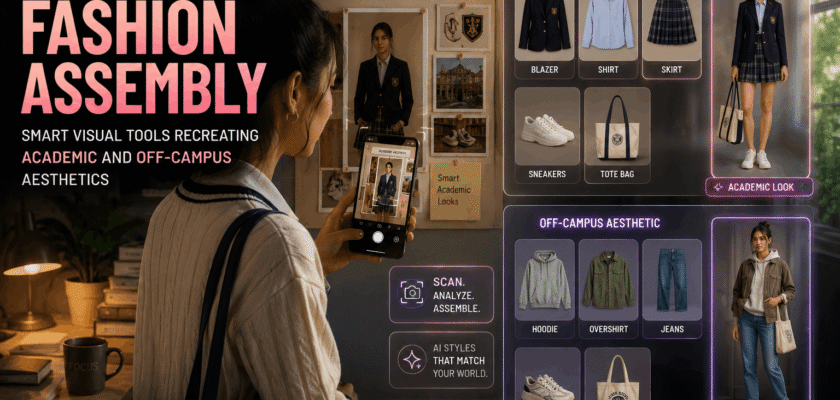
Lens AI fashion assembly is changing how students, creators, and everyday users recreate complex academic and off-campus aesthetics. Earlier, people had to describe an outfit in words, search many shopping apps, compare products manually, and guess whether pieces would match. Now, smart visual tools can start with a photo, screenshot, or outfit inspiration and help users find similar clothing faster.
This matters because fashion is highly visual. Many people do not know the exact name of a jacket, skirt, sneaker, tote bag, or layered academic outfit. They only know what it looks like.
Therefore, Lens AI fashion assembly is making style discovery simpler, faster, and more practical for modern users.
Why Lens AI Fashion Assembly Matters in 2026
Lens AI fashion assembly matters because fashion trends now move quickly across Instagram, Pinterest, campus reels, K-drama edits, celebrity airport looks, college vlogs, and street-style pages. A student may see an outfit online and want to recreate it for class, café study sessions, internships, or off-campus hangouts.
Google Lens already lets users search what they see through a phone camera or image. It can help identify similar products from a photo, screenshot, or real-world view.
This makes visual search more useful than text search for fashion.
Instead of typing “brown oversized blazer white shirt pleated skirt academic outfit,” a user can simply scan the look and find similar pieces.
What Is Lens AI Fashion Assembly?
Lens AI fashion assembly means using camera-based search, AI styling tools, digital wardrobes, and visual recommendation systems to recreate a desired outfit aesthetic.
It can include:
- Visual search from a photo
- Similar product discovery
- AI outfit matching
- Virtual try-on
- Digital wardrobe building
- Colour matching
- Occasion-based styling
- Budget-friendly alternatives
- Existing clothes remixing
- Style board creation
In simple words, it turns fashion inspiration into a practical outfit plan.
Lens AI Fashion Assembly and Academic Aesthetics
Lens AI fashion assembly works very well for academic aesthetics because these looks often depend on layered details. Academic style may include blazers, cardigans, shirts, sweaters, pleated skirts, loafers, trousers, tote bags, glasses, and neutral tones.
A user may want a look that feels:
- Clean
- Studious
- Minimal
- Vintage
- Library-inspired
- Soft formal
- Campus-ready
- Intellectual
- Comfortable
- Budget-friendly
AI visual tools can help identify each clothing piece and suggest similar options.
This makes complex academic styling easier for students and young professionals.
What Are Academic and Off-Campus Aesthetics?
Academic aesthetics are fashion styles inspired by study culture, libraries, universities, books, classic tailoring, and calm colours. Off-campus aesthetics are more relaxed styles used for cafés, shopping, travel, friend meetups, and casual evenings.
Academic looks may include:
- Blazers
- Sweaters
- Shirts
- Trousers
- Loafers
- Pleated skirts
- Tote bags
- Neutral colours
- Minimal jewellery
- Structured layers
Off-campus looks may include:
- Oversized shirts
- Denim
- Cargo pants
- Sneakers
- Graphic tees
- Light jackets
- Crossbody bags
- Relaxed dresses
- Streetwear layers
- Casual accessories
Lens AI tools can help blend both worlds.
Why Visual Search Beats Text Search for Fashion
Visual search works better because fashion language can be confusing. A normal user may not know terms like “Mary Jane shoes,” “argyle cardigan,” “boxy cropped blazer,” “wide-leg tailored trousers,” or “preppy pleated mini skirt.”
With visual search, the user does not need perfect fashion vocabulary.
Google’s visual shopping guidance says Lens can help users get product details, follow shopping inspiration, and combine text with images to refine search results.
This is useful for fashion because users can search from an image and then add words like “black,” “budget,” “cotton,” “college,” or “oversized.”
Digital Wardrobe: The Next Step
Digital wardrobe tools are the next step after visual search. Instead of only finding new clothes, AI can help users style what they already own.
Google Photos is reportedly launching an AI-powered try-on feature that uses users’ photo galleries to build a digital wardrobe from past images. The feature may help users mix and match clothes they already have, save looks, and share outfit ideas.
This matters because many people already own enough clothes. They just do not know how to style them in new ways.
AI wardrobe assembly can reduce waste and unnecessary shopping.
Lens AI Fashion Assembly and Virtual Try-On
Lens AI fashion assembly becomes more powerful when combined with virtual try-on. Virtual try-on helps users see how an outfit might look before buying or wearing it.
Google’s AI try-on feature was updated to work from a selfie, according to TechCrunch, making virtual clothing previews easier for users who may not have full-body photos ready.
This can help shoppers avoid wrong purchases.
However, virtual try-on should be treated as a guide, not a perfect mirror. Lighting, body shape, fabric fall, size, and posture can still change the final look.
How AI Recreates Complex Outfits
AI recreates complex outfits by breaking a full look into parts. It may identify the main clothing pieces, colours, shapes, fabrics, and accessories.
For example, an academic outfit may include:
- Beige blazer
- White shirt
- Brown pleated skirt
- Black loafers
- Cream socks
- Leather tote bag
- Minimal watch
- Soft makeup
- Loose hair
- Gold earrings
A smart tool can find similar pieces and suggest matching alternatives.
This makes outfit recreation faster and less stressful.
Why Campus Fashion Needs Practical Styling
Campus fashion needs practical styling because students need outfits that look good and still feel comfortable. A college look should work for walking, sitting, studying, presentations, travel, and weather changes.
AI should not only suggest aesthetic outfits. It should also consider practical needs.
A good campus outfit should be:
- Comfortable
- Breathable
- Affordable
- Easy to wash
- Weather-friendly
- Not too restrictive
- Presentation-ready when needed
- Suitable for local culture
- Easy to repeat
- Easy to layer
This is where AI styling can become useful if it understands real life.
Academic Aesthetic Outfit Formula
A simple academic aesthetic formula can help users build looks quickly.
Try this:
Base layer + structured layer + clean bottom + classic footwear + simple bag
Examples:
- White shirt + brown cardigan + straight trousers + loafers + tote bag
- Black turtleneck + grey blazer + wide-leg pants + boots + sling bag
- Cream blouse + navy sweater + pleated skirt + Mary Janes + book tote
- Striped shirt + beige vest + denim + loafers + minimal watch
Lens AI tools can help users find similar versions from photos or screenshots.
Off-Campus Aesthetic Outfit Formula
Off-campus outfits can be more relaxed but still stylish.
Try this:
Comfort top + statement layer + casual bottom + sneakers + small accessory
Examples:
- Oversized tee + denim jacket + cargo pants + sneakers + cap
- Crop shirt + loose jeans + sneakers + crossbody bag
- Knit top + long skirt + flats + tote bag
- Hoodie + straight jeans + chunky shoes + simple watch
AI can help match these pieces based on colour, fit, and occasion.
Lens AI Fashion Assembly for Budget Styling
Lens AI fashion assembly can help budget-conscious users because it can find similar items across price ranges. Instead of buying the exact expensive outfit, users can search for lookalikes.
For example, if a user sees a ₹5,000 blazer, visual search may help find similar options under ₹1,500.
This is useful for students because budget matters.
Budget styling tips include:
- Search similar pieces, not exact brands
- Choose neutral basics
- Reuse one blazer in many outfits
- Buy versatile shoes
- Use accessories to change mood
- Avoid trend-only purchases
- Mix thrifted and new items
- Check fabric before buying
- Read size reviews
- Compare return policies
Smart styling is not about buying more. It is about buying better.
AI Fashion Tools and Outfit Recommendation Research
AI outfit recommendation is becoming more advanced. A 2026 research paper called Loom proposed a system that retrieves and scores outfit pieces using signals like colour harmony, formality consistency, occasion coherence, style direction, and outfit diversity. The system generated distinct outfits in under five seconds on normal hardware.
This shows where fashion AI is heading.
Future tools may not only find similar clothes. They may understand whether the full outfit actually works together.
That is the real value of AI wardrobe assembly.
Why Occasion Awareness Matters
Occasion awareness matters because the same clothing piece can work differently depending on the situation.
A blazer can be:
- Formal for presentation
- Academic with a shirt
- Casual with jeans
- Vintage with loafers
- Off-campus with sneakers
- Minimal with trousers
AI tools should ask where the user is going before giving advice.
For example:
- Class outfit
- Internship outfit
- College fest
- Café date
- Library study day
- Group presentation
- Travel day
- Campus interview
- Shopping trip
- Casual evening
Better context creates better styling.
Colour Harmony Makes Outfits Look Premium
Colour harmony is one of the easiest ways to make an outfit look premium. Even affordable clothes can look better when colours match well.
Simple colour rules:
- Use neutrals as base
- Add one accent colour
- Match shoes and bag when possible
- Avoid too many bright colours together
- Use brown, beige, cream, navy, grey, black, and white for academic looks
- Use denim, olive, black, beige, and white for off-campus looks
- Keep jewellery tone consistent
- Balance dark and light pieces
AI styling tools can help detect colours from images and suggest matching items.
Fabric and Material Matching Is Important
Fabric matching can make or break an outfit. A thick wool blazer with summer sandals may look awkward. A thin summer shirt under a heavy winter coat may feel unbalanced.
AI fashion research is also exploring material compatibility. The Loom system used semantic material weight to infer garment heaviness for better layering compatibility.
This matters because a good outfit is not only colour and shape. It also needs fabric balance.
Academic aesthetics often use cotton, wool blends, knitwear, leather-look shoes, and structured fabric.
Off-campus looks may use denim, jersey, cotton, linen, and lightweight layers.
AI Wardrobe Assembly Can Reduce Over-Shopping
AI wardrobe assembly can reduce over-shopping by showing new combinations from existing clothes. Many users buy more because they feel they have “nothing to wear,” even when their wardrobe has enough pieces.
A digital wardrobe can help users see:
- Which items they repeat
- Which pieces are unused
- Which colours dominate
- Which basics are missing
- Which outfits can be built from existing clothes
- Which items match many outfits
- Which pieces should be donated
- Which future purchase is actually useful
This makes fashion more sustainable and budget-friendly.
How to Build a Digital Wardrobe
A simple digital wardrobe can be built without expensive tools.
Steps:
- Take clear photos of clothes
- Use plain background
- Group items by category
- Add colour labels
- Add season labels
- Add occasion labels
- Remove unused items
- Create outfit folders
- Save inspiration photos
- Use visual search for missing pieces
Once the wardrobe is organized, AI tools can recommend better combinations.
Privacy Risk With AI Fashion Tools
AI fashion tools often need photos. That creates privacy concerns. Users may upload selfies, wardrobe images, body photos, or personal style data.
Before using any tool, check:
- What photos are uploaded
- Whether images are stored
- Whether data is used for training
- Whether deletion is allowed
- Whether face/body data is protected
- Whether sharing is optional
- Whether third parties access data
- Whether the app needs full gallery access
- Whether privacy policy is clear
- Whether the tool comes from a trusted company
Fashion AI should be fun, but privacy must stay protected.
Smart Glasses and Ambient Fashion Search
Smart glasses may make fashion search even more visual. Vogue recently described how AI smart glasses could become part of ambient AI, using cameras and contextual assistance to understand surroundings and offer real-time recommendations.
For fashion, this could mean a user sees a jacket in real life and asks the glasses to find similar styles.
However, this also raises consent and privacy questions, especially if cameras capture bystanders.
So, fashion AI must balance convenience with responsibility.
What Students Should Avoid
Students should avoid turning AI styling into pressure. Fashion tools should help confidence, not create insecurity.
Avoid:
- Copying every trend
- Buying too many clothes
- Ignoring comfort
- Uploading sensitive photos carelessly
- Trusting unrealistic try-on results
- Overspending for aesthetics
- Dressing only for social media
- Ignoring campus rules
- Wearing impractical outfits daily
- Comparing yourself too much
Good style should support your life, not control it.
How Creators Can Use Lens AI Fashion Assembly
Creators can use Lens AI fashion assembly to build content faster. Fashion creators, campus vloggers, lifestyle bloggers, and Instagram pages can use visual tools to recreate looks, build mood boards, and suggest budget alternatives.
Content ideas include:
- Academic outfit under ₹2,000
- Off-campus café look
- Library study outfit
- Internship-ready look
- One blazer five ways
- Capsule wardrobe for students
- Pinterest outfit recreation
- Hostel-friendly wardrobe
- Budget campus footwear guide
- Monsoon academic outfits
This can help creators make practical and searchable content.
How Brands Can Use AI Fashion Assembly
Fashion brands can use AI fashion assembly to improve shopping experience. Instead of showing only single product photos, brands can show complete outfits.
They can offer:
- “Style this item” suggestions
- Virtual try-on
- Similar product search
- Outfit bundles
- Campus lookbooks
- Budget filters
- Occasion styling
- Size recommendations
- Wardrobe pairing
- Return-risk reduction
This can improve conversion and customer satisfaction.
AI Fashion Assembly and Sustainability
AI fashion assembly can support sustainability if users buy fewer but better-matching items. It can reduce impulse purchases and help people reuse clothes.
Sustainable styling includes:
- Repeating outfits creatively
- Buying versatile basics
- Choosing durable fabrics
- Repairing clothes
- Donating unused pieces
- Avoiding one-time trends
- Renting occasion wear
- Thrifting when possible
- Choosing quality over quantity
- Planning purchases with wardrobe gaps
AI should support smarter fashion, not faster waste.
Future of Lens AI Fashion Assembly
The future of Lens AI fashion assembly will likely combine visual search, digital wardrobes, virtual try-on, AI assistants, smart glasses, and shopping platforms.
Future tools may help users:
- Scan an outfit
- Find similar pieces
- Compare prices
- Try looks virtually
- Use existing wardrobe items
- Build a capsule wardrobe
- Plan outfits for the week
- Match weather and occasion
- Avoid duplicate purchases
- Share looks with friends
This can make fashion more personal and more practical.
Final Verdict
Lens AI fashion assembly is reshaping how people recreate academic and off-campus aesthetics. Visual search helps users find similar clothing from photos. Digital wardrobe tools can help remix existing clothes. Virtual try-on can reduce guesswork. AI recommendation systems can build better full outfits.
However, users should use these tools wisely. Fashion AI should help creativity, comfort, budget control, and personal confidence. It should not push over-shopping or privacy risk.
In simple words, smart visual tools are turning outfit inspiration into real wardrobe plans.
For students, creators, and lifestyle users, Lens AI fashion assembly may become one of the easiest ways to build stylish looks without wasting time or money.


