AI Voice Synchronization: Why Streaming Platforms Are Acting Now
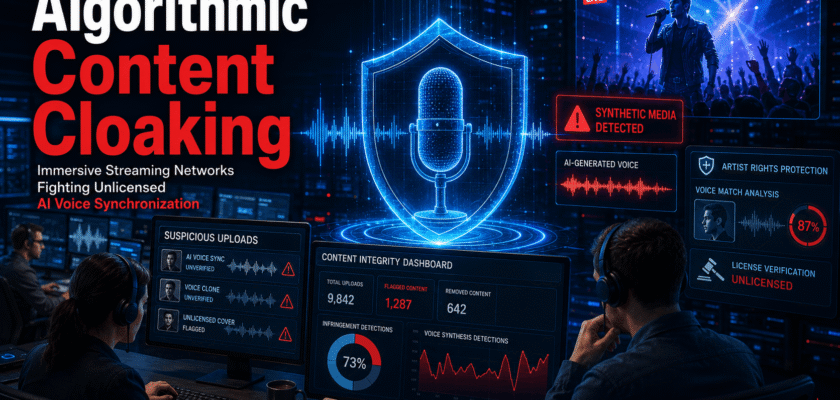
AI voice synchronization is now a serious problem for music apps, video platforms and immersive streaming networks. A fake voice can be synced with a song, short video, livestream clip or virtual concert scene. As a result, fans may believe a real artist approved the content.
Because the tools are cheap and fast, one creator can upload many synthetic tracks in a short time. Moreover, some uploads are not simple fan edits. They may use a famous voice, copied tone or misleading title to collect attention before the platform can react.
Streaming platforms are responding with a new control layer. This layer can include disclosure labels, audio fingerprints, voice-likeness checks, metadata review, takedown tools and repeated account audits.
Therefore, the real story is not only about AI music. It is about trust. Platforms must protect artists, listeners and legal rights without blocking every harmless remix or creative experiment.
| KEY TAKEAWAYAI voice synchronization can turn a voice into a fake commercial asset. Platforms are now moving from simple upload checks to layered protection systems that combine labels, detection, rights review and enforcement. |
AI Voice Synchronization in Subheadings: The Rights Problem
AI voice synchronization creates a hard rights problem because a track can sound real even when the singer never recorded it. In addition, the music may contain copyrighted composition, a copied vocal style and a misleading artist reference.
Earlier copyright systems were designed for copied songs, copied videos and reused clips. However, synthetic voices add a new layer. The content may not copy a full master recording, yet it can still exploit a person’s vocal identity.
This is why platforms are adding more signals. A file name, cover art, description, vocal pattern, upload history and user reports can all help decide whether a track should be reviewed.
How Algorithmic Content Cloaking Works
Algorithmic content cloaking happens when uploaders hide risky content from moderation systems while still making it easy for users to find. For example, they may change spellings, use indirect tags or place the famous name inside cover art instead of the title.
Some uploaders also spread the same sound through many short clips. Consequently, one removal does not always stop the campaign. The platform must find related uploads, repeat accounts and copied metadata patterns.
Because immersive streaming adds voice, avatar, live chat and short video layers, cloaking can move across formats. A fake voice may appear in a virtual stage clip today and in a fan-made music reel tomorrow.
Why Immersive Streaming Networks Need Stronger Controls
✓ Virtual concerts can make a synthetic voice look like an official performance.
✓ Short clips can spread faster than a rights team can review them.
✓ Voice clones can confuse fans and damage artist trust.
✓ Wrong credits can send revenue signals to the wrong account.
✓ Fake uploads can dilute catalog quality and playlist trust.
✓ Repeated synthetic uploads can create unfair pressure on human creators.
| PLATFORM SAFETY BOXThe goal is not to ban all AI tools. The safer goal is consent, clear labels, accurate rights data and fast removal paths when a voice or song is used without permission. |
The New Defensive Stack for Streaming Apps
1. Disclosure Labels
Disclosure is the first layer. YouTube says creators must disclose realistic altered or synthetic content that viewers could mistake for a real person, place or event.
However, labels are not enough by themselves. A dishonest uploader may skip disclosure. Therefore, platforms need detection tools that do not depend only on user honesty.
2. Voice and Likeness Detection
Voice and likeness detection can help platforms find synthetic media that looks or sounds like a real person. YouTube’s 2026 updates say likeness detection is expanding to more creators, and earlier updates describe tools for managing unauthorized AI-altered videos.
Although no detection system is perfect, it can help rights holders find misuse faster. In addition, it creates a clear reporting path for creators whose identity is copied.
3. Audio Fingerprints and Watermarks
Audio fingerprinting can still identify reused music, stems or backing tracks. Meanwhile, watermarks and metadata can help prove whether a file came from an approved AI tool or an unknown source.
Together, these signals make cloaking harder. They also give platforms a better audit trail when a takedown dispute appears.
4. Metadata and Account Audits
Metadata review is critical because fake uploads often depend on titles, tags, descriptions and cover art. A platform can compare repeated spellings, similar art and linked accounts.
Furthermore, account-level audits can stop the same uploader from re-posting a removed voice clone under a new title.
Why Deezer’s AI Music Numbers Matter
Deezer says it has detected and tagged millions of AI-generated songs. It also says more than 75,000 AI-generated songs are uploaded daily to Deezer, which shows how fast synthetic music can enter a catalog.
These numbers matter because detection has become a scale problem. A human moderation team cannot listen to every upload. Therefore, platforms need automatic screening, clear labels and human review for high-risk cases.
At the same time, AI detection should be careful. Not every AI-assisted track is harmful. The issue becomes serious when the content misleads users, copies an artist or avoids proper rights clearance.
What Artists and Labels Should Do Next
✓ Register official catalog data with correct names, credits and rights details.
✓ Monitor platforms for fake voice uploads and misleading titles.
✓ Save proof of original recordings, stems and authorized sessions.
✓ Use official channels to explain what is approved and what is not.
✓ Ask platforms for fast reporting paths when identity misuse appears.
✓ Review contracts before allowing any AI voice or sync experiment.
What Creators Should Do Before Using AI Voices
✓ Get written consent before copying a real person’s voice.
✓ Do not use a famous name to imply approval.
✓ Disclose realistic synthetic content where the platform requires it.
✓ Use licensed music, licensed vocals and clear credits.
✓ Avoid upload tricks that hide the real nature of the content.
✓ Keep records of tools, prompts, licenses and permissions.
| CREATOR WARNINGA funny AI cover can still create legal, platform and monetization risk if it uses a real person’s voice or copyrighted music without consent. |
The Business Impact on Music Royalties
Unlicensed AI voice synchronization can affect royalties in several ways. First, fake tracks may compete with official releases for attention. Second, wrong metadata can confuse catalog systems. Third, large volumes of low-quality synthetic uploads can weaken playlist trust.
However, better detection can also protect revenue. When platforms tag AI tracks, remove fake voice clones and link content to proper rights data, official artists have a stronger chance to keep value inside approved catalogs.
Therefore, the future of streaming royalties may depend on rights-aware technology. The platform that protects trust will also protect its music economy.
What This Means for Fans
Fans will see more labels, warnings and authenticity tools. In many cases, this is helpful. It tells listeners whether a voice is real, altered or synthetic.
Still, fans should remain careful. If a track claims to feature a major artist but it is not posted through official channels, it may be unauthorized. In addition, a viral clip does not prove permission.
Trusted platforms, official artist pages and verified descriptions will become more important as AI audio becomes more realistic.
Conclusion
AI voice synchronization has changed the entertainment safety debate. Platforms can no longer rely only on old copyright filters because synthetic voices create new identity and consent risks.
Algorithmic content cloaking makes the problem harder. Bad actors can hide names, reuse clips and spread fake tracks through many formats. However, streaming networks now have stronger tools than before.
The best answer is a layered system. Labels, likeness detection, audio fingerprints, metadata checks, account audits and takedown support must work together. That is how immersive streaming can protect artists while still allowing responsible AI creativity.
Frequently Asked Questions
Q. What is AI voice synchronization?
AI voice synchronization is the use of a synthetic or cloned voice in sync with music, video or performance content.
Q. Why is AI voice synchronization risky?
It can make fans believe a real artist approved a song or performance when they did not.
Q. Can platforms detect every AI voice clone?
No system is perfect. However, labels, fingerprints, likeness tools and user reports can reduce the risk.
Q. Is every AI-assisted song illegal?
No. The problem starts when a voice, song or likeness is used without consent or clear rights.
Q. What should creators do before uploading AI voice content?
They should get permission, use licensed music, disclose synthetic content when required and avoid misleading titles.


