
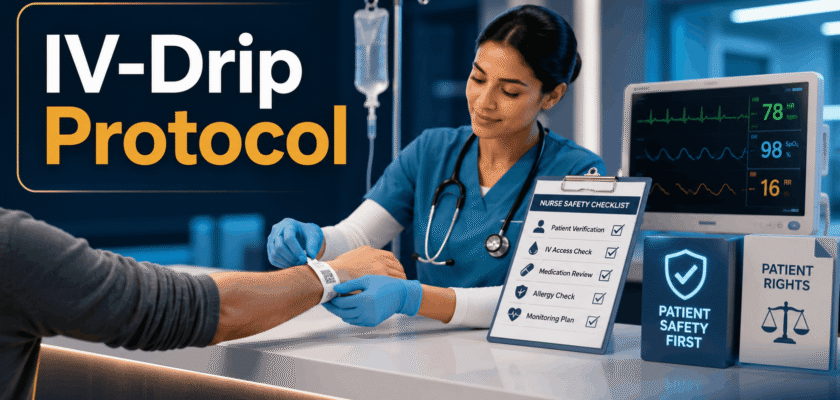
The IV-Drip Protocol: Understanding Medical Negligence and Hospital Safety Standards After the Shocking Hyderabad Probe
Hyderabad hospital IV drip case 2026 has put patient safety back in public focus.
The concern is not only about one reported hospital probe.
It is also about how hospitals check fluids, identity, dose, rate, and monitoring.
An IV drip looks simple from the outside.
However, it is a medical procedure that needs trained staff and proper records.
Therefore, every patient and family should understand basic safety rights in India.
| ⚠️ Medical safety noteThis blog is for public awareness only. It is not medical or legal advice.Do not self-administer IV fluids at home unless a qualified doctor prescribes it and trained staff handle it.In an emergency, call local emergency services or go to the nearest hospital. |
| �� Fact-safe writing notePublic reports around hospital negligence can change as probes continue.So this article uses words like reported, alleged, and probe unless a final order is available.The core focus is patient safety, IV-drip monitoring, and legal awareness. |
Why the Hyderabad Hospital IV Drip Case 2026 Matters
The Hyderabad hospital IV drip case 2026 matters because it highlights a daily hospital risk.
Patients often trust that every drip is safe once it starts.
But safety depends on several checks before, during, and after the infusion.
These checks include patient identity, prescription, fluid type, expiry, dose, and rate.
Also, nurses must monitor the patient for pain, swelling, fever, breathlessness, or sudden discomfort.
If any step fails, a routine drip can become a serious safety event.
What an IV Drip Really Means
IV means intravenous, which means medicine or fluid enters a vein.
Doctors may use IV fluids for dehydration, infections, surgery care, or urgent treatment.
However, the fluid and rate must match the patient condition.
For example, some patients need slow monitoring because of heart, kidney, or age-related risks.
So, an IV drip is not a casual wellness shortcut.
It is a clinical action that needs medical judgment.
Patient Safety Protocols India: The Basic Checks
Patient safety protocols India should begin before the first drop enters the vein.
The staff should confirm the patient name and medical order.
Next, they should check the fluid label, expiry date, clarity, and seal.
Then they should verify the route, amount, and infusion speed.
After that, they should watch the cannula site and patient comfort.
Finally, every change should be written in the nursing record.
Why Monitoring During a Drip Is Critical
Many families think the main work ends after the drip is connected.
Actually, monitoring is the most important part.
A patient may develop swelling near the cannula.
They may also feel burning, chills, breathlessness, dizziness, or unusual pain.
These signs need quick attention from hospital staff.
Also, the drip rate should not be changed without medical approval.
Medical Negligence Legal Rights: What Families Should Know
Medical negligence legal rights begin with documentation.
Families should keep bills, prescriptions, consent forms, discharge summaries, and lab reports.
They should also ask for written explanations when a serious event occurs.
If a patient believes there was negligence, they can approach hospital grievance channels first.
Then they may consider the state medical council, consumer forum route, or legal advice.
However, every case depends on medical records and expert review.
Why Blame Alone Does Not Fix Hospital Safety
Patient safety improves when hospitals study the full system.
One mistake may involve staffing, training, workflow, equipment, and communication.
Therefore, hospitals need incident reporting without delay.
They also need transparent audits after serious adverse events.
Still, this does not remove accountability when clear negligence is proven.
A safe hospital must protect both patients and honest medical staff.
✅ IV-Drip Safety Checklist for Patients and Families
| Safety point | Simple family action |
| Identity check | Ask staff to confirm patient name and bed number before the drip starts. |
| Prescription check | Ask whether the IV fluid or medicine is written by the doctor. |
| Label check | Look for fluid name, expiry date, seal, and clear solution. |
| Rate check | Ask if the drip speed is correct for the patient condition. |
| Site check | Watch for swelling, pain, redness, leakage, or burning near the cannula. |
| Symptom check | Report chills, breathlessness, dizziness, rash, fever, or sudden discomfort. |
| Record check | Ask that serious events are entered in the nursing or treatment notes. |
Red Flags Families Should Not Ignore
Some warning signs need fast attention.
These include swelling at the IV site, severe pain, breathing trouble, confusion, fainting, or sudden rash.
Also, fever or chills during an infusion should not be ignored.
Families should call the nurse or doctor immediately.
They should not remove the cannula themselves unless medical staff instructs them during an emergency.
What Hospitals Should Improve After Any Probe
Hospitals should audit every serious IV-drip incident quickly.
They should preserve records, interview staff, and check equipment logs.
They should also review medicine storage and nursing handover notes.
Next, they should train staff again on high-risk infusions and escalation rules.
Most importantly, families should receive clear communication, not silence.
How Documentation Protects Patients
Good documentation can protect patients from confusion.
It can also protect hospitals from false claims.
A clear record shows what was prescribed, given, monitored, and changed.
So families should politely request copies of key documents.
They should keep photos of bills and reports in a folder.
This habit helps if a complaint becomes necessary later.
The Bigger Health Lesson for India
India needs stronger patient safety culture in both public and private hospitals.
This includes staff training, transparent communication, and faster grievance handling.
It also includes better infection control and medication safety systems.
The goal should not be fear of hospitals.
Instead, the goal should be safer care for every patient.
| �� Best line for featured snippetHyderabad hospital IV drip case 2026 shows why patient identity, prescription checks, drip-rate monitoring, documentation, and quick escalation are vital for hospital safety in India. |
Conclusion: Safety Starts Before the First Drop
The Hyderabad hospital IV drip case 2026 should be treated as a patient safety warning.
An IV drip may look routine, but it needs trained monitoring.
Therefore, hospitals must strengthen checks, records, and response systems.
At the same time, families should know their basic safety rights.
Clear questions, proper documents, and timely escalation can reduce avoidable harm.
FAQs
What is the Hyderabad hospital IV drip case 2026 about?
It refers to reported concerns around IV-drip safety and hospital negligence. Final findings can change as probes continue.
Is an IV drip always safe?
IV fluids are common in hospitals. Still, they need correct prescription, sterile handling, and monitoring.
What should families check before an IV drip?
They can ask about patient identity, doctor order, fluid name, expiry date, and drip rate.
What are medical negligence legal rights in India?
Families may seek records, use hospital grievance channels, contact medical councils, and explore consumer complaint routes.
Can families give IV fluids at home?
No. IV therapy should be handled only by trained professionals under a doctor’s order.


