Why We Buy: The Secret Psychology Behind Our Daily Choices
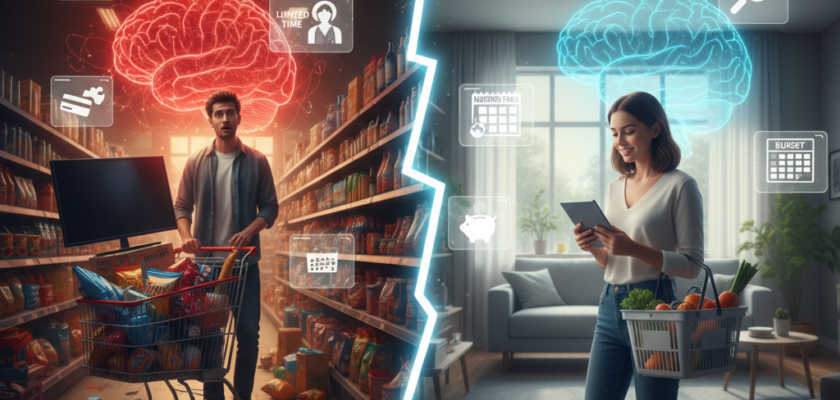
Have you ever walked into a store for one item and left with a basket full of things you didn’t plan to buy? Or found yourself justifying a purchase you didn’t really need? You’re not alone. Our daily buying decisions, from the coffee we choose to the car we drive, are rarely purely rational. Instead, they are deeply influenced by a fascinating blend of secret psychology, emotional triggers, and cognitive biases that marketers skillfully tap into.
Understanding “Why We Buy” is not just for businesses; it’s a powerful tool for consumers to make more conscious, informed choices and avoid falling prey to unconscious persuasion.
1. The Power of Emotion: We Buy Feelings, Not Products
At the core of most purchases lies an emotional driver. We don’t buy a pair of running shoes; we buy the feeling of health, achievement, or confidence.
- Aspiration: We buy products that align with the person we aspire to be (e.g., luxury items for status, eco-friendly products for a responsible identity).
- Fear/Desire: We buy security systems out of fear, or vacation packages out of a desire for escape and relaxation.
- Belonging: Certain brands create a sense of community, making us buy to feel part of a group.
- Marketers’ Play: Advertisements rarely focus on features; they focus on the emotions and experiences the product promises.
2. Cognitive Biases: Our Brain’s Mental Shortcuts
Our brains use shortcuts to make decisions quickly, but these “cognitive biases” can lead to irrational buying behavior.
- Anchoring Bias: The first price we see (the “anchor”) influences our perception of subsequent prices. A $500 item looks cheaper if we first saw a $1000 item.
- Scarcity Bias: We desire things more if they seem limited or exclusive (“Limited Stock!”, “Expires Soon!”). This creates a false sense of urgency.
- Social Proof: If others are buying it, it must be good (“Bestseller!”, “Most Popular!”, long queues). We trust the crowd.
- Framing Effect: How information is presented (e.g., “90% fat-free” sounds better than “10% fat”) influences our perception.
3. The Endowed Progress Effect: The Near-Completion Trap
This bias makes us more likely to complete a task if we feel like we’ve already made some progress.
- Loyalty Programs: Think about coffee shop loyalty cards. If you’re given a card with two stamps already on it, you’re more likely to keep buying coffee there to complete the card, even if you could go elsewhere.
- Online Progress Bars: Filling out a form or completing a purchase becomes more compelling when you see a “50% complete” indicator.
4. The Mere Exposure Effect: Familiarity Breeds Liking
We tend to prefer things simply because we are familiar with them.
- Brand Recognition: Constant exposure to a brand through advertising makes us more likely to choose it over an unfamiliar alternative, even if the quality is similar.
- Comfort & Trust: Familiarity builds a sense of comfort and trust, which are powerful drivers in purchasing decisions.
5. Reciprocity: The “Give and Take” of Buying
This powerful social norm dictates that we feel compelled to return favors.
- Free Samples/Trials: Giving a free sample (even a small one) creates a subconscious obligation to reciprocate, often leading to a purchase.
- “Free Plus Shipping”: The initial “free” offer makes us more inclined to pay for shipping, feeling like we’re already getting a deal.
6. The Pain of Paying: How Payment Methods Influence Spending
The way we pay affects how much pain we feel from spending, thus influencing our purchases.
- Cash vs. Card: Paying with cash feels more “real” and therefore more painful than swiping a card or using a digital wallet. This is why people often spend more with cards.
- Contactless Payments: The ease of tap-and-pay reduces the psychological friction of spending, leading to more frequent or larger purchases.
Your Buying Brain: Quick Hacks
| Psychological Trigger | How it Influences You | How to Counter It |
| Emotion | Buys feelings (status, joy, fear) | Ask: “Do I need this, or how will it make me feel?” |
| Scarcity | Urgency for “Limited Stock” | Ask: “Will this be essential tomorrow, or just right now?” |
| Social Proof | “Everyone else is buying it” | Ask: “Is this genuinely good for me, regardless of others?” |
| Anchoring | First price sets value | Research average prices before seeing sales. |
| Reciprocity | Obligation from “freebies” | Evaluate the true value; don’t feel obligated. |
| Payment Pain | Card vs. Cash spending | Use cash for discretionary spending; set digital limits. |
Conclusion
From the colors used in packaging to the pricing strategies, every element of marketing is designed to subtly influence your subconscious. By understanding the secret psychology behind our daily choices, we can become more mindful consumers, make decisions that truly serve our needs and values, and ultimately regain control over our purchasing habits. The next time you’re about to buy something, take a moment to ask: “Why am I really buying this?”
Which psychological trigger do you find yourself most susceptible to? Share your insights in the comments below!


