
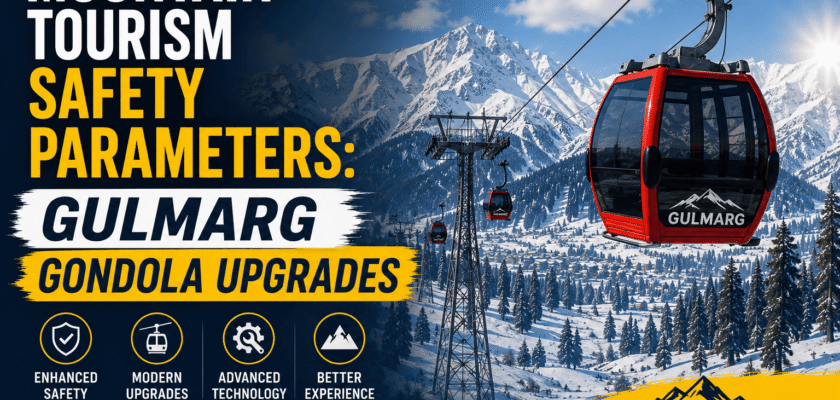
High-Altitude Gondola Transit: Safety Enhancements Deployed After the Dramatic Gulmarg Rescue.
The operational framework directing international alpine holiday infrastructure is undergoing an urgent, regulatory-led transformation. For decades, mountain resort operators relied on traditional mechanical check systems and standard cable line maintenance protocols to manage high-altitude transit cars. These legacy systems successfully supported millions of skiing enthusiasts during clear seasonal weather windows worldwide. However, this classic setup faced massive challenges when hit by unexpected high-altitude wind gusts and freezing mountain blizzards, which can suddenly stall cable arrays and strand passengers.
Fortunately, modern destination operators are aggressively modernizing their transport grids to protect global travelers under all weather conditions.
We have officially entered a new era shaped by the implementation of strict mountain tourism safety parameters globally.
Driven by a dramatic real-world rescue operation in Kashmir, engineers are completely overhauling high-altitude cable networks.
The primary development goal focuses on deploying automated backup line systems to optimize daily Gulmarg cable car operations.
By embedding self-contained power drives into individual cabins, transport grids can manage unexpected mid-line stalls with extreme precision. This profound structural upgrade marks a complete evolution for regional Kashmir travel travel advisories 2026 updates. Consequently, resort networks are pairing mechanical upgrades with real-time monitoring software, proving that sustainable mountain exploration requires combining advanced engineering with uncompromised guest safety.
1. The Autonomous Rescue Leap: Moving Beyond Basic Ground Rope Extrications
The primary engineering catalyst accelerating this high-altitude travel revolution centers on replacing slow, manual rope rescue teams with independent vehicle backup drives. Basic emergency protocols require ground crews to physically climb towering support pylons during blizzards to lower stranded passengers down one by one.
In contrast, next-generation gondola systems build smart emergency propulsion features directly into the overhead cable architecture.
                     [ Legacy Manual Rope Evacuations ]
     (Line Stalls Mid Air ──► Rescue Teams Climb Pylons ──► Dangerous Cold Exposure Risk)
                                      │
                                      ▼
                  [ The 2026 Self-Directed Recovery Core ]
     (Auxiliary Cabin Motors ──► Independent Power Feeds ──► Instant Safe Station Moves)
These highly sophisticated autonomous mechanical platforms provide massive security advantages to high-altitude transit channels:
- Auxiliary Power Pods: Every cabin feature independent, battery-powered auxiliary drive units that activate instantly if the main cable grid fails.
- Continuous System Synch: Consequently, the backup system moves stuck cabins slowly back to the nearest station platform without relying on main line loops.
- Beating Extreme Cold Exposure: Therefore, the transit network shortens total passenger evacuation times from long, freezing hours down to mere minutes.
2. Inside the Mountain Engine: Deploying Ultrasonic Sensors Across the Gulmarg Grid
The real-world success of this upgraded transit model relies on pairing strong mechanical backup structures with active, cloud-managed scanning software.
A. Modernizing High-Altitude Cable Lines
Resort operators are leading this structural modernization push by installing advanced ultrasonic structural scanners along every phase of the mountain route.
The specialized sensor arrays bolt directly onto heavy steel support towers, checking the structural health of moving cables continuously.
The software scans for microscopic interior steel tears and tracking alignment changes caused by extreme temperature drops.
This early warning layer allows engineering teams to fix line wear during small maintenance gaps before parts can snap.
B. Neutralizing Sudden High-Altitude Wind Hazards
Furthermore, this protective digital strategy pairs active line scans with real-time wind tracking metrics to protect moving lift systems:
  [ Extreme Wind Gust Spotted ] ───► [ Smart Software Triggers Slowdown Mode ]
                                                   │
                                                   ▼
                                    [ Automated Line Balancing Engages ]
                              "Adjusts Cable Tension to Prevent Cabins From Swaying"
                                                   │
                                                   ▼
                                    [ Safe Passenger Landing Verified ]
                              "Brings Holidaymakers Safely Home to Base Stations"
The system’s smart wind-management software connects directly with local high-altitude meteorological centers to monitor incoming mountain storms.
When wind speeds cross safe operational boundaries, the automation platform triggers an immediate, controlled slowdown across the entire line.
The system alters cable tension variables automatically, stopping suspended cabins from swaying dangerously against rock faces.
This quick mechanical adjustment protects passenger comfort, allowing operators to bring holidaymakers safely back to base stations during sudden weather changes.
Consequently, development teams turn mountain transit from an unpredictable journey into a highly dependable travel asset.
3. Strategic Matrix: Traditional Cable Systems vs. 2026 Smart Alpine Gondola Grids
| Alpine Infrastructure Axis | Legacy Traditional Cable Systems | 2026 Smart Alpine Gondola Grids |
| Emergency Propulsion Method | Restricted; relies entirely on a single main drive engine | Broad; utilizes independent cabin backup motors |
| Line Health Tracking | Passive; requires manual visual checks by human crews | Active; ultrasonic sensors run continuous scans |
| Wind Resistance Stance | Shallow; high gusts force immediate emergency stops | Deep; automated tension grids balance cabin sway |
| Evacuation Speed Metric | Gradual; ground team rescues require several hours | Fast; shortens platform retrieval times down to minutes |
| Risk Characterization | High risk of traveler exposure during line stalls | Withdrawn Risk; tech-backed transit safety |
4. Verifying Alpine Safety: Locking Compliance Standards for International Travelers
The final core trend reshaping global mountain tourism links advanced structural engineering directly to strict regional compliance rules. Because running unverified transit machinery across steep valleys creates extreme safety hazards, regulatory bodies are enforcing mandatory digital logging gates.
  [ Sensors Complete Line Check ] ───► [ System Generates Live Security Codes ]
                                                       │
                                                       ▼
                                        [ Automated Transit Permits Active ]
                                  "Verifies Structural Health Before Lifts Can Start"
                                                       │
                                                       ▼
                                        [ Certified Safe Holiday Routes Built ]
                                  "Guarantees Complete Protection for Mountain Guests"
Safety monitoring grids use automated pre-flight checklists to inspect all mechanical components before visitors are allowed to board.
The system reads live sensor logs across the entire mountain loop, ensuring braking paths and electrical relays are working perfectly.
Any component that shows even a tiny variance from standard safety metrics triggers an automated lockout lock on the main system.
Thus, proactive guardrail management transforms high-altitude transit from a high-stress adventure into an exceptionally safe lifestyle experience. This structural focus keeps tour routes highly dependable, proving that long-term travel growth is won by combining advanced execution with uncompromised safety engineering.


