
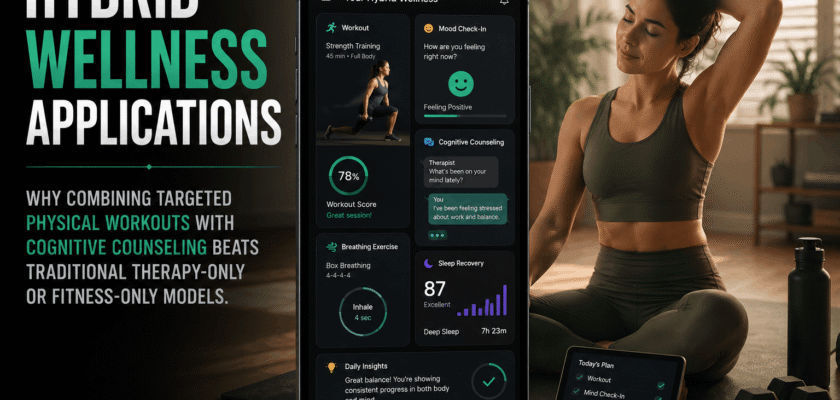
Why Personalization Beats Generic Plans
Personalization beats generic plans because users differ. A beginner, office worker, athlete, student, postpartum mother, elderly person, or chronic pain patient does not need the same plan.
Personalization should consider:
- Fitness level
- Health condition
- Mood
- Sleep
- Stress
- Time available
- Equipment
- Goals
- Injury history
- Motivation style
A good hybrid app adapts, not forces.
A plan that fits life is more likely to continue.
Privacy in Hybrid Wellness Applications
Privacy is critical because hybrid wellness applications may collect sensitive data about body, mood, mental health, sleep, food, and personal struggles.
Apps should protect:
- Mood logs
- Therapy notes
- Chat history
- Fitness data
- Health conditions
- Location data
- Sleep data
- Payment details
- Personal goals
- Crisis signals
Users should check privacy policies before using mental wellness apps.
Sensitive health data should never be treated casually.
Data Safety Questions Users Should Ask
Before using a hybrid wellness app, users should ask:
- What data does the app collect?
- Is my data shared with advertisers?
- Can I delete my data?
- Does the app use my chats for AI training?
- Is there human review?
- Is crisis support available?
- Are coaches certified?
- Is medical advice clearly limited?
- Is the app evidence-based?
- Are privacy settings clear?
A beautiful app is not enough.
Trust matters.
What Makes a Good Hybrid Wellness App?
A good hybrid wellness app should be simple, safe, and practical.
Look for:
- Clear workout plans
- Mental health support boundaries
- Professional guidance
- Mood tracking
- Privacy protection
- Human escalation
- Personalisation
- Evidence-based content
- Gentle language
- Progress tracking
Avoid apps that make extreme promises.
No app can “cure everything” in 7 days.
What Makes a Bad Hybrid Wellness App?
A bad hybrid wellness app may look attractive but create harm.
Red flags include:
- No privacy clarity
- No crisis support
- Extreme body transformation claims
- Shame-based messages
- Unqualified advice
- Fake therapy claims
- No human support
- Overdependence on AI
- Poor medical disclaimers
- Aggressive upselling
Health apps should build trust, not fear.
Users should leave any app that makes them feel worse, unsafe, or pressured.
Role of Coaches and Therapists
Coaches and therapists can make hybrid wellness applications stronger. A fitness coach can guide safe movement. A therapist or counselor can guide emotional work. A nutrition professional can guide food behaviour.
The best app teams may include:
- Fitness trainers
- Psychologists
- Counselors
- Dietitians
- Doctors
- Physiotherapists
- UX designers
- Data privacy experts
- AI safety experts
- User support teams
Wellness is multidisciplinary.
The app should be too.
Why Traditional Therapy Still Has Value
Traditional therapy still has value because deep emotional work often needs a trained human. Apps can support daily habits, but therapy can explore deeper patterns, trauma, relationships, identity, grief, and complex mental health issues.
Hybrid wellness applications should be seen as:
- Support tools
- Habit builders
- Daily check-in systems
- Education platforms
- Coaching aids
- Between-session helpers
They should not claim to replace proper therapy for serious concerns.
That honesty protects users.
Why Traditional Fitness Still Has Value
Traditional fitness also still has value. A real trainer can correct posture, check form, adjust intensity, and motivate in person. Apps cannot always see movement accurately unless they use strong sensor or video tools.
In-person fitness helps with:
- Form correction
- Injury prevention
- Social accountability
- Equipment guidance
- Motivation
- Real-time adjustment
- Community
- Progressive overload
- Confidence
- Safety
Hybrid apps should complement real-world movement, not trap users on screens.
How to Use a Hybrid Wellness App Safely
Use a hybrid wellness app safely by starting small.
Follow these rules:
- Choose beginner-friendly routines
- Stop if pain feels sharp
- Do not ignore medical symptoms
- Use counseling tools as support
- Seek professional help when needed
- Protect your data
- Avoid extreme plans
- Track mood honestly
- Take rest days
- Review progress monthly
The goal is sustainable wellness.
Not perfection.
7-Day Hybrid Wellness Starter Plan
Try this simple 7-day starter plan.
Day 1
10-minute walk and mood check.
Day 2
Bodyweight workout and breathing practice.
Day 3
Stretching and journaling prompt.
Day 4
Light cardio and thought reframing.
Day 5
Strength training and sleep routine.
Day 6
Yoga or mobility and gratitude note.
Day 7
Rest, reflection, and next-week plan.
This plan is simple, safe, and realistic for beginners.
Future of Hybrid Wellness Applications
The future of hybrid wellness applications will likely include AI coaches, human therapists, wearable data, mood tracking, movement analysis, nutrition planning, and personalised recovery plans.
Future apps may offer:
- AI-guided workouts
- Therapist-supported programs
- Voice mood check-ins
- Wearable stress tracking
- Sleep-based workout adjustment
- Emotional eating support
- Burnout detection
- Human coach escalation
- Community accountability
- Privacy-first health records
The winning apps will not be the loudest.
They will be the most trusted, safe, and useful.
Final Verdict
Hybrid wellness applications are becoming important because real health needs both physical and mental support. Targeted workouts can improve energy, sleep, confidence, and mood. Cognitive counseling can help users understand stress, thoughts, motivation, and emotional patterns.
Together, they create a more complete wellness system.
This does not mean apps replace doctors, therapists, or trainers. It means apps can support daily habits, track patterns, guide routines, and help users stay consistent between professional support sessions.
In simple words, the future of wellness is not only gym or therapy. It is a smart combination of movement, mindset, recovery, and human-aware technology.
Hybrid wellness applications can work well when they are safe, evidence-informed, private, and honest about their limits.


