

Biomechanical Fitness Tracking Is Entering the Performing Arts
Biomechanical fitness tracking is moving beyond stadiums and gyms. It is now entering rehearsal rooms, dance studios and touring performance networks.
Classical art still depends on emotion, discipline and stage presence. However, modern artists also face heavy schedules, long travel days and repeated physical strain.
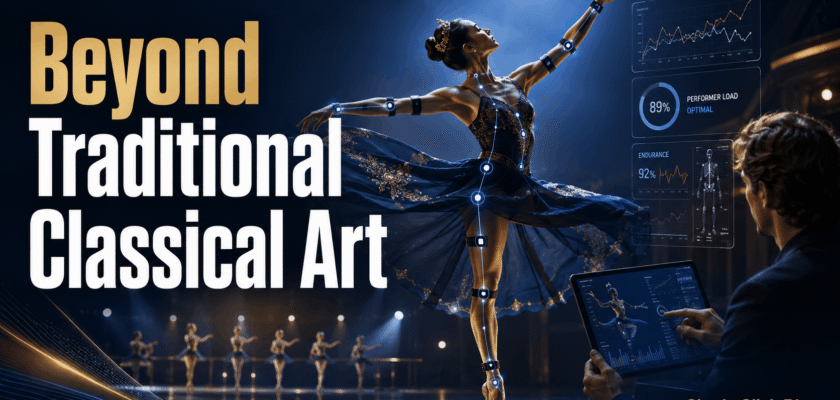
Because of this, performing networks are using wearable sensors, pose tracking and wellness dashboards. These tools can help artists understand movement load, recovery and injury risk.
The goal is not to replace art with numbers. The goal is to protect the artist so the creative routine can last longer.
| KEY TAKEAWAYThe new performing arts model combines craft and care. A dancer, actor or stage performer can stay expressive while also tracking workload, rest and movement quality. |
Biomechanical Fitness Tracking and Creative Routines
A creative routine is not always seen as athletic work. Still, many performers jump, twist, balance, lift, sing, travel and repeat scenes for hours.
Research on performing arts and health notes that participation combines creative expression with physical exertion. That makes workload monitoring useful for many artists.
In 2026, this matters even more because performance networks are global. Independent artists may rehearse in one city, perform in another and publish digital content at the same time.
Why Performing Networks Are Adding Metrics
✓ They want to reduce avoidable overuse injuries.
✓ They need better recovery plans during touring weeks.
✓ They want safer warm-ups before intense scenes.
✓ They need proof of workload for coaches and medical teams.
✓ They want to support independent artists who manage their own routines.
✓ They need simple dashboards for cast-wide wellness planning.
What Biomechanical Metrics Can Track
The exact data depends on the tool. A wearable may track movement speed, joint load, jump count, step rhythm, rotation and rest patterns.
A camera system may track pose and alignment. A wellness app may track sleep, soreness, stress and recovery readiness.
A 2026 Springer study on dance teaching describes a system that combines wearable sensing, pose estimation, motion tracking and visual feedback. This shows how creative training can become more data-aware.
Common Data Points
✓ Jump impact and landing control.
✓ Range of motion during repeated movements.
✓ Balance and alignment during technical sections.
✓ Rehearsal load across the week.
✓ Recovery score after travel or late shows.
✓ Pain or fatigue check-ins before performance.
✓ Heart-rate response during demanding routines.
| ARTIST SAFETY BOXNumbers should guide decisions, not shame performers. A dashboard is useful only when it helps artists rest, train and perform with more confidence. |
Why Classical Artists Are Not Losing Their Human Touch
Some artists worry that tracking will make art feel mechanical. That fear is understandable. Art should never become a spreadsheet.
However, useful tracking does not judge beauty. It watches load, recovery and movement risk. The director still guides expression. The artist still owns the emotion.
In this model, technology stays backstage. It helps the body support the story.
How Independent Artists Can Use Fitness Tracking
Independent artists do not always have a large medical team. They may manage rehearsals, travel, content creation and brand work alone.
For them, a simple tracker can reveal patterns. For example, soreness may rise after long travel. Balance may drop after poor sleep. Endurance may improve when rest blocks are scheduled.
This is why digital creator wellness tracking software is becoming more relevant. The best tool is simple, private and easy to use.
A Simple Performer Endurance Framework
✓ Start with a five-minute mobility screen.
✓ Track fatigue before and after rehearsal.
✓ Mark high-impact choreography days.
✓ Schedule low-load recovery blocks after intense shows.
✓ Use video review for alignment, not only aesthetics.
✓ Share injury flags only with trusted support staff.
✓ Review weekly patterns before changing the routine.
Where Performing Arts Medicine Fits In
Performing arts medicine is already focused on injury prevention, workload and recovery. Some platforms built for performing artists support wellness monitoring, scheduling and rehab workflows.
These systems can help a company identify at-risk artists earlier. They can also support medical notes and training plans in one place.
However, technology should not replace a trained clinician. Pain, weakness or ongoing injury needs qualified medical support.
Risks of Over-Tracking Artists
⚠ Data can create pressure if managers misuse it.
⚠ Artists may hide pain if they fear losing work.
⚠ Low-cost sensors can give weak or noisy data.
⚠ Too many metrics can distract from rehearsal quality.
⚠ Private health data can be exposed without clear rules.
⚠ A tracker cannot understand emotion, context or artistic intent.
Privacy Rules Performing Networks Should Follow
Artist health data is sensitive. Performing networks should collect only the data they need.
They should explain who can see the data and how long it will be stored. They should also avoid using wellness scores to punish artists.
Consent matters. An artist should understand the tool before wearing it in rehearsal or on stage.
How Choreographers Can Use Metrics Without Killing Creativity
Choreographers can use metrics as a planning aid. For example, a high-impact section can be placed after a proper warm-up. A repeated lift can be rotated between performers. A touring show can include recovery rehearsals.
The creative choice still comes first. The data simply shows the cost of that choice on the body.
When used well, tracking can make the rehearsal room safer and more honest.
What This Means for Entertainment Networks
International performing networks are no longer only booking shows. They are also managing creator health, digital content output and long-term artist value.
Biomechanical tracking can help them plan rehearsals, tours and recovery periods. It can also support insurance, casting continuity and performance quality.
Still, the best networks will keep the human side clear. The artist is not a machine. The metric is only a support tool.
Organic Search Summary for Readers
Biomechanical fitness tracking is becoming useful in performing arts because artists face real physical load.
Wearable sensors, pose estimation and wellness dashboards can help track fatigue, alignment, recovery and injury warning signs.
The strongest approach is balanced. Use data to protect the performer, but keep creative expression at the center.
Conclusion
Beyond traditional classical art, performance networks are building a new care system for creative bodies.
Biomechanical fitness tracking can make routines safer, tours smarter and rehearsal planning more realistic.
However, the purpose must stay clear. The technology should serve the artist, not control the art.
Frequently Asked Questions
Q. What is biomechanical fitness tracking?
It is the use of sensors, apps or motion analysis to measure movement load, alignment, fatigue and recovery.
Q. Why is it useful for performing artists?
Artists repeat demanding movements. Tracking can support safer rehearsals, better rest and injury prevention.
Q. Does tracking reduce creativity?
Not if used correctly. It should guide body care while the artist keeps creative control.
Q. Can independent artists use these tools?
Yes. Simple wearables, video review and wellness logs can help solo artists manage routines.
Q. Is this medical advice?
No. Pain or injury should be checked by a qualified health professional.


